
SEO vs SEM: Understanding the Differences for Real Estate Professionals
Have you ever heard of the terms SEO and SEM, but weren’t sure what they actually meant? Or how they differ? As a real estate professional you know that your online presence is integral for your success, but it can be confusing for even seasoned real estate professionals to understand these 2 aspects of digital marketing. In this blog post, we’ll explain exactly what sets the two apart and how each can help you in reaching your sales goals more efficiently. Keep reading to learn more!
Let’s break down what each one is and how they can be used to help your business.
What is SEO?
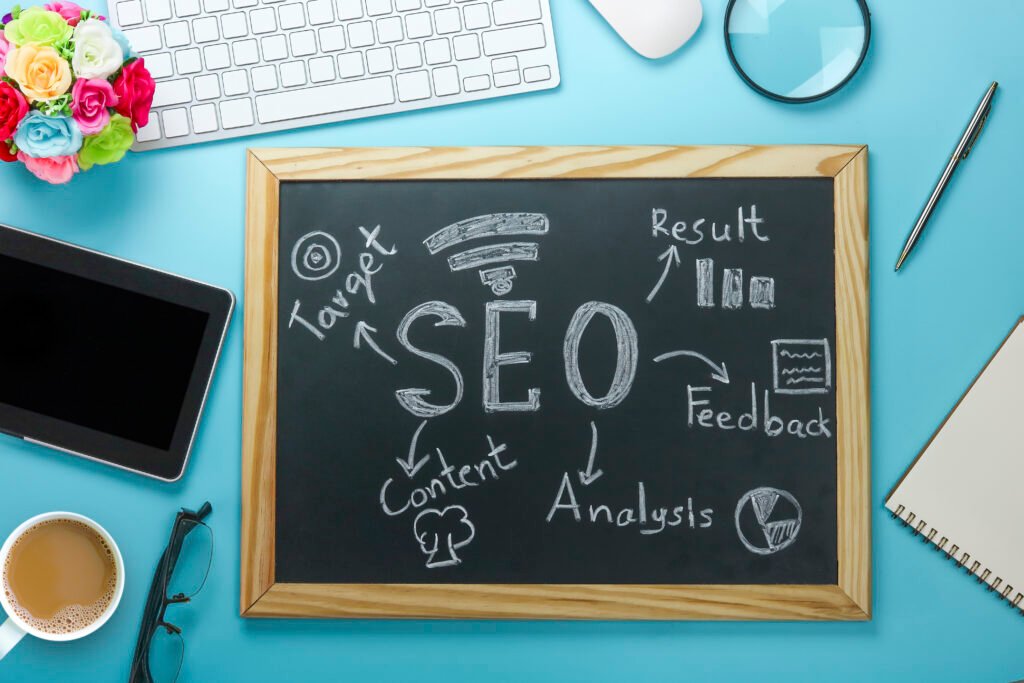
SEO stands for Search Engine Optimization. Also known as Organic Search, it is a set of tactics used to increase the visibility of your website in organic or unpaid search engine results. It’s important because organic search is how most people find websites online—they type something into Google, Bing or Yahoo! and click on one of the links that pops up. The higher up on the SERP your website appears, the more likely someone is to click through and visit it.
SEO works by optimizing all aspects of your website, including content, images, links, titles, meta tags, etc. The goal is to present relevant information to users looking for something specific so that you appear at the top of the list when they search for related words or phrases. Some of the key components of an effective SEO strategy include keyword research, on-page optimization, link building, and content creation. By incorporating these elements, you can improve your website’s ranking, visibility, and authority, which will drive more traffic and leads to your site. Read more about SEO in our Ultimate Real Estate SEO Guide where we cover everything you need to know about SEO.
Organic searches are also known as “natural” searches because they don’t require any type of payment from the user in order to be seen in the results.
What is SEM?
SEM stands for Search Engine Marketing. Also known as Paid Search, this marketing strategy uses paid advertising to increase visibility in search engine results pages (SERPs). SEM works by purchasing ads on search engines that display when someone types in certain keywords that relate to your business or services. It typically involves bidding on these keywords through platforms like Google Ads or Microsoft Ads (Bing).
Paid ads appear at the very top of the search results page above above the organic results which makes them more visible and increases their chances of being clicked on. Paid campaigns are a great way to get targeted, immediate results. You can choose a budget that fits your needs, determine which keywords you want to target, and design ads tailored specifically for your ideal customer. You also have the flexibility to adjust your budget at any time depending on what works best for you. This allows you to experiment with different strategies until you find a formula that yields the greatest return on investment (ROI).
The Difference Between SEO and SEM
While both SEO and SEM are digital marketing strategies that can help improve your online visibility, they differ in a few key ways.
Cost: Paid vs Organic
The main difference between SEO and SEM is that one utilizes free tactics while the other requires payment (albeit often minimal) for visibility in SERPs. As the name suggests, SEO/Organic Search is focused on improving the ranking of your website on search engines organically, while SEM/Paid Search involves paying for ads to appear at the top of search results. SEO is a long-term strategy that can take time to achieve results, while SEM can provide immediate results.
Position on the SERP
As mentioned in the definitions, paid results typically appear at the top and bottom of the search engine results pages, marked as “Ad” or “Sponsored”. Organic results, on the other hand, are based on a search engine’s algorithm and are not influenced by advertising. They appear in the main body of the SERP.
Optimizations
SEO optimization involves making changes to your website’s content and structure to improve its ranking on organic search engine results pages. This can include:
- Keyword Research and Optimization: Finding relevant keywords to target and including them in the website’s content and meta tags.
- Content Creation: Creating high-quality, relevant content that appeals to both users and search engines.
- Technical Optimization: Improving the website’s technical aspects, such as its load speed and mobile responsiveness, to make it more attractive to search engines.
SEM optimization, on the other hand, involves optimizing paid search advertising campaigns to improve their effectiveness and ROI. This can include:
- Keyword Research and Targeting: Identifying relevant keywords to target and adjusting bids to ensure maximum visibility.
- Ad Copy Testing: Writing compelling ad copy that draws users’ attention and encourages them to click.
- Bid Strategy Optimization: this involves involves adjusting the amount you’re willing to pay to ensure your ad being shown to the right audience at the right time, maximizing the return on investment. This can be done through various methods such as manual bidding, automated bidding (ex: target cost per acquisition or target return on ad spent), or using machine learning algorithms (e.g. Smart Bidding). To optimize bid strategy, it’s important to have a clear understanding of the target audience, target conversion goals, and to regularly monitor and analyze performance metrics such as impressions, clicks, and conversions. Constantly refining and adjusting the bid strategy can lead to higher ad visibility, better-qualified leads, and an overall higher return on ad spend.
- Landing page optimization: Creating high-converting landing pages that are optimized for the keywords being targeted in the ads.
Therefore, each has its advantages depending on what kind of budget and resources you have available as well as what kind of goals you are trying to achieve with your online presence.
Why use SEO and SEM together?

While SEO and SEM may have different approaches and goals, they can complement each other and provide a more comprehensive digital marketing strategy.
Increased Visibility: By using both SEO and SEM, you are essentially maximizing your online presence by ensuring that no matter what type of searcher someone is – whether they prefer sponsored listings or prefer natural results – they will still be able see your business multiple times during a single query.
Increased Credibility: Additionally, since most people trust natural results over sponsored ones (since there is no guarantee with sponsored links), having an optimized website with relevant content allows searchers to trust that they are getting quality information from a credible source – which could lead to increased conversions!
Cost efficiency: While SEM can be more expensive, when used in conjunction with SEO, it can help you save money by reducing the need for a large paid advertising budget. There may be certain keywords that are less competitive and you’re already maximizing your traffic organically so you may not need to bid on them. Or maybe it’s the opposite, and some keywords are so competitive organically or your website is not yet ranking well for those keywords. You can target those keywords through paid ads.
Take Learnings from Both: You can look at your organic results to see which keywords are driving the most traffic to your page and whether there is opportunity to drive more traffic and leads by bidding on them. On the other hand, you may have certain keywords that are driving a lot of sales for you so you may want to optimize your webpages for these keywords.
Measurable results: Plus, by using both strategies simultaneously you can also track which one yields better results and adjust accordingly. So you can track your progress and adjust your strategy as needed. This helps you to maximize your return on investment.
Ultimately, both SEO and SEM should be used together to create an effective overall digital marketing strategy for real estate agents and businesses alike. While it may take some time before you start seeing results from either one alone, using them together will help ensure maximum visibility in SERPs as well as provide potential customers with quality content that explains why they should choose you over other competitors in the same field! By understanding organic search vs paid search, real estate agents can make informed decisions about their digital marketing strategies and maximize their online presence!


