
Local SEO for Real Estate: Your Guide to Driving Targeted Leads

In the fiercely competitive real estate landscape, having a strong online presence can be the deciding factor in securing new clients. Local SEO for real estate is a specialized form of search engine optimization that helps agents attract potential buyers and sellers in specific areas.
By optimizing your online presence, you can rank higher in location-based searches, such as “real estate agent in [city]” or “homes for sale near me.” With more buyers using mobile devices to search for properties, this helps you get noticed by people actively looking for services in your geographic area.
In addition to improving your visibility in search results, this enhances your credibility and authority within your community. When you appear prominently in local searches, it signals to potential clients that you are a trusted resource for real estate needs in their area.
Moreover, the right strategies can help you better understand your target market’s preferences and behavior, allowing you to tailor your marketing efforts effectively. This guide will not only cover the fundamentals of local SEO but also explore advanced techniques that can help you stay ahead of the competition.
This article will provide an in-depth guide on how Local SEO can transform your real estate business. We’ll cover the importance of optimizing your website, Google My Business profile, and other online assets to rank higher in local searches. You’ll also learn effective strategies to drive traffic to your website, generate more leads, and stand out from competitors in the real estate business.
By the end of this guide, you’ll understand why it is not just a trend but an essential strategy for any real estate agent who wants to thrive in today’s digital age.
What is Local SEO for Real Estate?
Local SEO is optimizing for location-based search queries. For example if someone types in “best real estate agent in [city]” or “homes for sale near me” search engines use the searcher’s location to determine the most relevant results. Local SEO makes sure real estate agents show up in those searches and drive more targeted traffic and qualified leads.
In real estate, understanding and executing local SEO can bring more traffic and sales through better online visibility. As buyers or sellers are searching for properties they expect immediate access to information about their local market and that’s where local SEO comes in.
For real estate agents local SEO has unique benefits. Buyers and sellers want to work with agents who know the local area so location-based visibility is key.
Optimizing for local search results means you’ll connect with prospects who are looking for properties or agents in your city or neighborhood. Focusing on geographic relevance gives you an edge over agents who rank well nationally but have no local presence.
Plus local SEO helps establish your authority in the community by showcasing your knowledge of local market trends, schools, and amenities. This can make a big difference in client decisions and conversion rates.
Local SEO also means making sure your real estate business is listed correctly on Google Maps and other map-based platforms so you can attract clients who use those tools to find nearby services. Bottom line a good local SEO strategy can change your real estate business by connecting you with motivated buyers and sellers in your area.
The Difference Between Traditional SEO and Local SEO

Local SEO refers to optimizing your online visibility for location-specific search queries. For instance, if someone types in “best real estate agent in [city]” or “homes for sale near me,” search engines use the searcher’s geographic location to determine the most relevant results. Local SEO ensures that real estate professionals appear in these searches, driving more targeted traffic and highly qualified leads.
In the real estate industry, understanding and implementing local SEO can significantly enhance traffic and sales through better online visibility. As potential buyers or sellers search for properties, they expect immediate access to relevant information about their local market, which is where local SEO comes into play.
For real estate agents, local SEO offers unique advantages. Buyers and sellers often prioritize working with agents who are familiar with the local area, making location-based visibility critical.
Optimizing for local search results means you’re more likely to connect with prospects who are specifically looking for properties or agents in your city or neighborhood. This focus on geographic relevance gives you a competitive edge over agents who may rank well nationally but lack local presence.
Moreover, local SEO helps establish your authority in the community by showcasing your knowledge of local market trends, schools, and amenities. This can significantly influence clients’ decisions, leading to increased trust and higher conversion rates.
Local SEO also involves ensuring that your real estate business is listed accurately on Google Maps and other map-based platforms, increasing your chances of attracting clients who rely on these tools to find nearby services. Ultimately, a well-executed local SEO strategy can transform your real estate business by connecting you with motivated buyers and sellers in your area.
Why Local SEO is Crucial for Real Estate Agents

Local SEO is not just a nice-to-have; it’s a game-changer for real estate professionals. Here’s why mastering Local SEO can directly impact your business:
Increased Visibility in Google Search Results

Most homebuyers start their property search online, and Google’s local search algorithm ensures that the most relevant businesses appear at the top.
By leveraging Local SEO for real estate, agents can secure top spots in Google’s local results, especially in the highly visible Local Pack. Ranking here increases your chances of being discovered by buyers actively searching for properties or real estate services in your area.
This enhanced visibility can also result in more inbound calls and inquiries, allowing you to showcase your listings and expertise directly to interested prospects.
Drive More Qualified Leads

Local SEO connects you with people who are specifically looking for real estate services in your geographic region, making it one of the most targeted forms of marketing.
These leads are more likely to convert because they are already interested in the local market, making every interaction more meaningful and more likely to turn into a sale or listing.
The targeted nature of local searches means that potential clients are often further along in the buying process, which increases the likelihood of securing their business.
Boost Foot Traffic and Property Visits

An effective Local SEO strategy increases not only online engagement but also physical foot traffic. By ensuring that your business shows up in Google Maps and google searches, you can drive more people to contact you, visit your website, and schedule property tours.
Prospective buyers are more likely to trust and choose agents they can easily find online, leading to more in-person visits and consultations. Increased foot traffic can also result in more spontaneous visits to open houses, providing additional opportunities to convert interested buyers into clients.
Build Local Authority and Trust

Ranking well in local search results signals to potential clients that you are a reputable and trustworthy real estate agent in the community. Positive reviews on platforms like Google My Business further enhance your credibility.
Over time, this builds authority, leading to more referrals, repeat clients, and a strong word-of-mouth reputation within your local market. As your online presence grows, you also become a go-to resource for local real estate insights, which can further elevate your standing in the community and establish you as a trusted expert.
Competitive Edge Over Non-Local Agents

In a market where many agents may be competing for the same buyers, having a strong Local SEO strategy gives you an advantage. Non-local agents may have a national presence, but they often lack the in-depth knowledge and local insight that buyers seek.
By optimizing your online presence specifically for your area, you can differentiate yourself and attract clients who value local expertise. Your commitment to the community and understanding of the local market dynamics can make you the preferred choice for buyers and sellers alike
Understanding the Local Pack and Organic Search Results

When it comes to local SEO, understanding the Local Pack and organic search results is crucial in aiming to boost online visibility.
The Local Pack is the section that appears at the top of Google’s search results, showcasing the top three local businesses along with their addresses, phone numbers, and reviews.
This prime real estate on the search results page can significantly increase your chances of being noticed by potential clients.
To secure a spot in the Local Pack, start by claiming and optimizing your Google Business Profile. Ensure all your business information is accurate and up-to-date, and regularly post updates and photos to keep your profile active.
Building high-quality backlinks from reputable local websites and creating content that resonates with your target audience will also help improve your chances of appearing in the Local Pack.
On the other hand, organic search results are the non-paid listings that appear below the Local Pack. These results are determined by Google’s algorithm based on the relevance and quality of your website content.
To rank higher in organic search results, focus on creating high-quality, keyword-rich content that is optimized for search engines.
This includes using location-specific keywords, optimizing your website’s technical SEO, and leveraging social media to increase your online visibility.
By understanding and optimizing for both the Local Pack and organic search results, real estate agents can enhance their online presence and attract more targeted leads.
Key Local SEO Ranking Factors for Real Estate

To harness the power of Local SEO effectively, real estate professionals need to focus on several key factors to boost their rankings and enhance their online visibility.
Tools like Google Search Console can help you track website performance, keyword rankings, and SEO results, providing valuable insights for your local SEO strategy.
Google My Business (GMB)
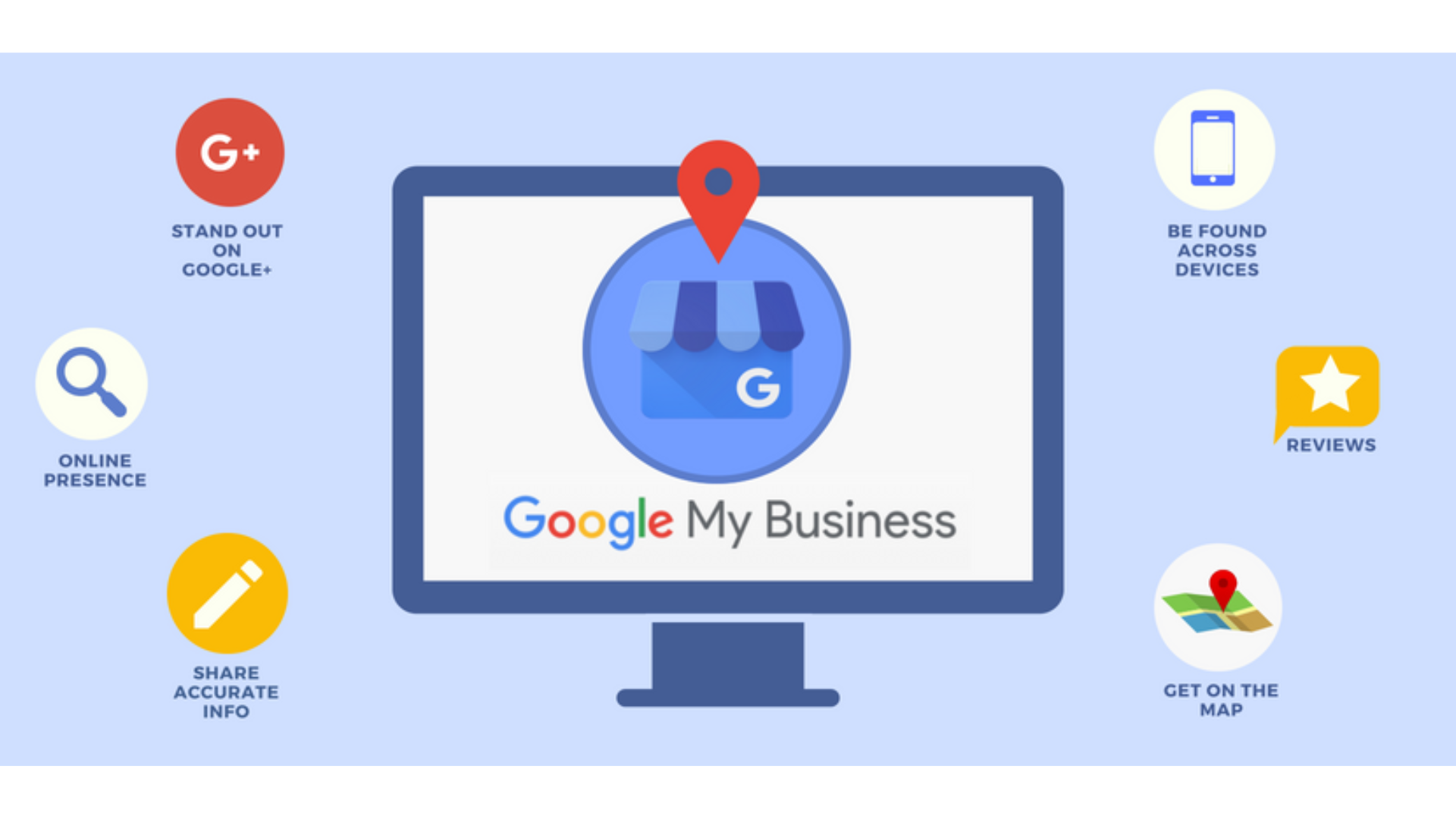
Optimizing your Google My Business (GMB) profile is one of the most crucial steps in local SEO success. Ensure that your profile is 100% complete, including accurate contact information, office hours, services, and high-quality photos of your properties.
GMB allows you to post updates, offers, and special events, which can draw in more potential buyers. By engaging actively with your audience through GMB posts, you can keep clients informed about new listings, open houses, or local market insights.
Utilizing GMB to its fullest potential will significantly improve your visibility in Google’s local pack results, helping you attract more leads.
NAP Consistency
Your Name, Address, and Phone Number (NAP) should be consistent across all platforms—your website, GMB, social media profiles, and local directories. Inconsistent information can confuse search engines, leading to lower ranking results.
Consistency signals to search engines that your business is legitimate and stable, which is critical for improving local SEO.
Additionally, maintaining a consistent NAP across platforms enhances trust among potential clients, making them more likely to reach out for your services. Ensure that all your listings are regularly updated to reflect any changes in contact information or office hours, reinforcing your professional credibility.
Local Citations and Directories
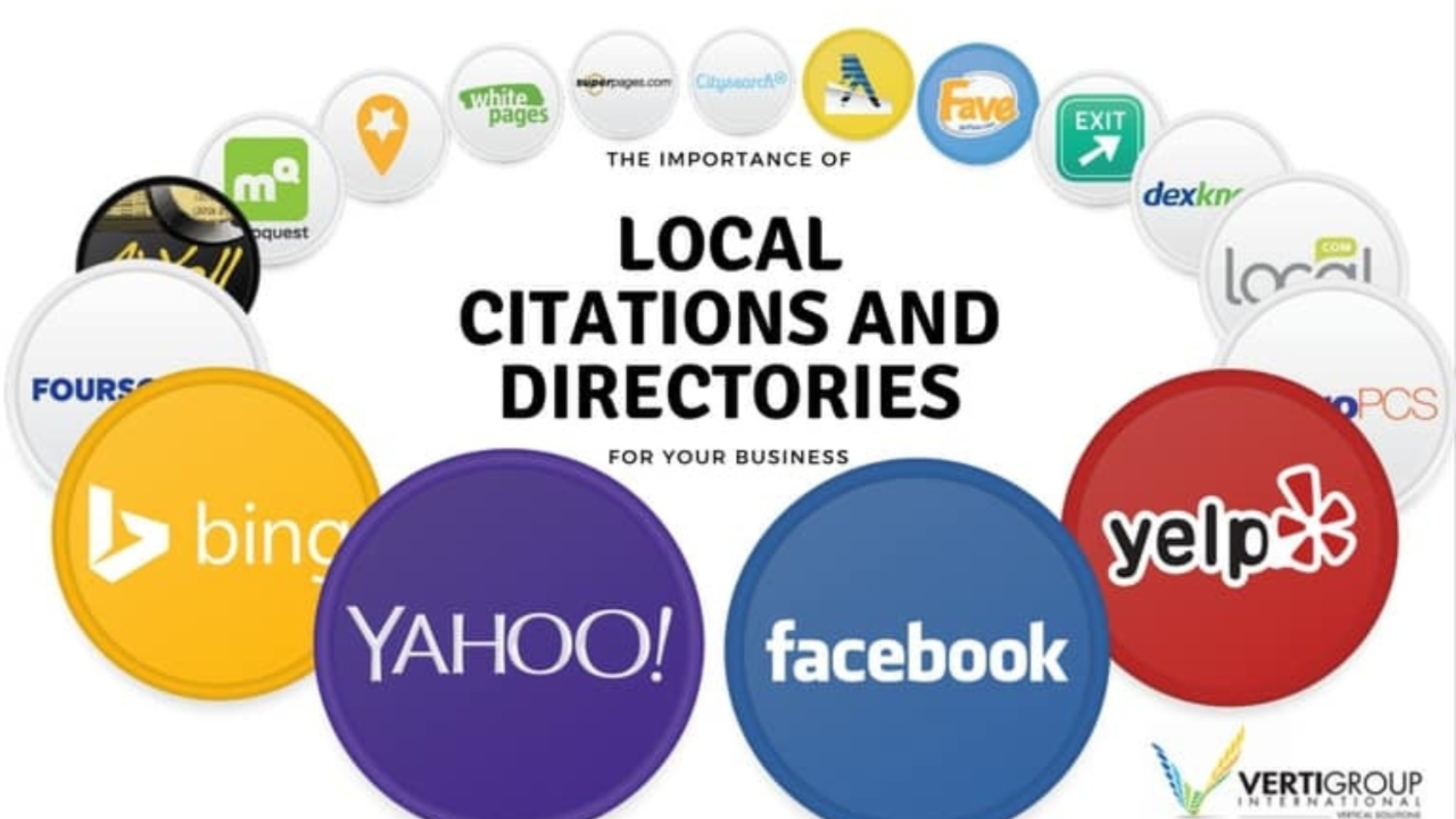
Getting listed in well-established directories, such as Zillow, Realtor.com, and Trulia, is vital for local SEO.
These citations not only provide backlinks to your website but also act as trust signals to Google. By maintaining accurate, up-to-date listings, you’re more likely to rank higher in search results, boosting your visibility among local clients.
Online Reviews

Encouraging satisfied clients to leave positive reviews on platforms like Google, Facebook, and Yelp can significantly impact your rankings.
Search engines, particularly Google, prioritize businesses that have a strong portfolio of positive reviews.
Additionally, reviews can help build trust with prospective clients, improving your conversion rate.
Responding promptly and professionally to reviews—whether they are positive or negative—demonstrates your commitment to customer satisfaction, further enhancing your reputation and local SEO performance.
Mobile Optimization and Usability

With a large percentage of local searches happening on mobile devices, optimizing your website for mobile is non-negotiable. Google considers mobile usability a significant ranking factor, and a fast, user-friendly mobile experience can greatly enhance your local SEO.
Make sure your website is mobile-responsive with fast load times, and consider including user-friendly features like “click-to-call” buttons or “schedule a viewing” links to make it easy for mobile users to take action.
Additionally, ensure that your content is easily readable on smaller screens, with well-structured layouts and appropriately sized images. A seamless mobile experience not only aids SEO but also improves client engagement and retention.
Conducting Keyword Research and Competitive Analysis

Keyword research and competitive analysis are foundational elements of an effective real estate SEO strategy. Keyword research involves identifying the specific terms and phrases that potential clients use when searching for real estate services in your area.
Tools like Google Keyword Planner, Ahrefs, and SEMrush can help you discover high-traffic keywords that are relevant to your business.
Start by brainstorming a list of potential keywords related to your services and location. Then, use these tools to analyze search volume, competition, and relevance.
Focus on long-tail keywords, such as “luxury homes for sale in [city]” or “best real estate agent in [neighborhood],” as these are more likely to attract highly targeted leads.
Competitive analysis, on the other hand, involves examining the online presence of other real estate agents in your area.
Look at their websites, social media profiles, and online reviews to understand what they are doing well and where there might be gaps in the market.
This analysis can reveal opportunities for you to differentiate yourself and capture a larger share of the market.
By combining keyword research with competitive analysis, you can create a targeted SEO strategy that addresses the specific needs and preferences of your target audience. This approach will help you increase your online visibility, attract more leads, and ultimately drive more sales.
On-Page SEO Optimization for Local Real Estate Searches
Your website plays a critical role in enhancing your Local SEO performance. Optimizing your on-page elements can help you rank higher, making it easier for potential buyers to find you.
Location-Specific Keywords

Using location-specific keywords, such as “real estate agent in [city]” or “homes for sale in [neighborhood],” in your content, headings, and meta descriptions is essential.
Search engines rely on these keywords to determine the relevance of your pages for specific searches. Integrating them throughout your site, including in your property listings and blog posts, will increase the likelihood of ranking for searches related to your target area.
Creating Location-Based Landing Pages

Developing dedicated landing pages for each city or neighborhood you serve is another key strategy. These pages should include hyper-local content such as market trends, neighborhood highlights, and current property listings.
By tailoring content to specific areas, you signal to search engines that your expertise is location-specific, which can help you rank higher for relevant searches in those areas.
Additionally, incorporating local testimonials and case studies can further enhance credibility and appeal to potential clients, making these landing pages more impactful and effective in converting visitors into leads.
Schema Markup

Implementing local business schema markup on your website helps search engines better understand key details about your business, such as its location, services, and contact information.
This can increase your chances of appearing in search results with rich snippets, which display additional details and increase click-through rates.
For real estate agents, this means enhanced visibility in online when potential buyers are looking for agents or homes in specific localities.
Content Strategy for Local SEO in Real Estate
Content is a driving force behind Local SEO success, especially in the competitive real estate market. Crafting high-quality, location-focused content will not only attract more local visitors to your site but also position you as an expert in your target market.
Neighborhood Guides

Neighborhood guides are a great way to add value to potential buyers. These can cover schools, shopping, dining, transportation and entertainment.
Buyers who are not familiar with the area will find these guides useful and can drive traffic to your site by searching for neighborhood specific terms.
In addition to written guides consider including visual elements like maps or infographics to engage visitors and improve the user experience.
Local Market Updates

Keeping your audience informed about real estate market trends, property values and upcoming developments in your area positions you as the local expert.
Publishing market updates in the form of blog posts, videos or infographics will capture search traffic from people looking for real estate information in your area.
Add expert commentary or analysis to these updates to make your content stand out and position you as the local real estate authority.
Blogs About Local Events

Engage with your community by writing blog posts about local events, charity drives or news stories. This type of content will resonate with local readers and also help with local SEO by telling search engines your business is active in the local area.
This will build trust with your audience and visibility for hyper local searches. Plus sharing these on social media will help you reach a wider audience and drive even more local traffic to your site.
Voice Search Optimization: The Next Big Thing in Local SEO
Voice search is becoming more important as more users are using virtual assistants like Alexa, Siri and Google Assistant to find local businesses.
Voice search is especially important for real estate agents as homebuyers may use it to find local listings or agents in their area.
With smart speakers and mobile devices on the rise voice search is changing how consumers search and real estate professionals need to adapt.
Voice Search: The Role of Conversational Keywords

To optimize for voice search real estate agents need to rethink their keyword strategy. Voice queries are more conversational and often in the form of questions like “Who is the best real estate agent in [city]?” or “Where can I find homes for sale in [neighborhood]?” Include long tail keywords and FAQs in your content to capture these voice search queries.
Also, format your content to answer direct questions clearly and concisely and you’ll be more likely to be featured as a snippet which is what voice assistants read back.
Also consider the context of voice search. Many users are searching voice while on the go or multitasking so provide quick and easy answers.
Real estate agents can add to their content by including local landmarks, specific property features or neighborhood highlights. For example a question like, “What are the best schools near me?” can lead to content that highlights the top schools in your area.
By focusing on conversational phrases and user intent, you can better connect with your audience and improve your chances of ranking higher in voice search results.
Leveraging Hyperlocal Content for Real Estate SEO
While neighborhood guides and market updates are crucial, another step is to develop hyperlocal content that speaks to specific community events, landmarks, or local interests.
Creating Hyperlocal Content: How to Capture Niche Markets

Real estate agents who want to own local search should focus on hyperlocal content that goes beyond general area guides.
By covering neighborhood level topics like local school rankings, nearby parks, upcoming city council decisions or community driven events you become the go to resource for buyers looking in those specific areas.
This will not only improve your Local SEO but also make you a local authority. Featuring local businesses, artisans and service providers in your content will create connections within the community and increase your visibility and credibility.
The more comprehensive and interesting your hyperlocal content the more likely you are to attract and retain the attention of potential clients in your market.
The Role of Social Proof in Local SEO: Online Reviews and Testimonials
While you already touched on online reviews, expanding on this topic can provide more depth. Social proof plays a massive role in Local SEO, and real estate agents can use it to strengthen their reputation.
Encouraging and Responding to Reviews: Boosting SEO and Building Trust

Positive reviews on Google My Business, Zillow and Realtor.com help with SEO and build your credibility as a local agent. Ask happy clients to leave detailed reviews highlighting specific aspects of your service, like local knowledge, responsiveness or negotiation skills.
Also showcase client testimonials on your website and social media channels to increase your authority and attract new clients.
And respond to both positive and negative reviews to show you value feedback which will further boost your local search rankings. Google favors businesses that are active on their GMB profiles so make sure to thank reviewers and address concerns in a timely and professional manner.
Building Local Backlinks for Real Estate SEO
Local backlinks from reputable sources signal to search engines that your real estate website is trustworthy and relevant.
Building Local Backlinks: Strengthen Your Authority

Getting backlinks from local websites will boost your Local SEO rankings. Partner with local businesses, community groups or even bloggers to get mentions and links to your site.
For example if you sponsor a local event ask the event organizers to link back to your site from their online pages. Also try guest posting on local news websites or real estate blogs which will not only boost SEO but also make you a local authority.
Also participating in local charities or community projects will get you backlinks from the organization’s website.
Partner with local influencers or real estate professionals for joint content which will also get you mutual backlinks.
Lastly submit your site to local online directories or industry specific listings so you are recognized in your community. By diversifying your backlink sources and engaging with your local network you will increase your authority and credibility and boost your Local SEO efforts.
Structured Data and Local SEO: Why Schema Markup Matters
While schema markup is briefly mentioned, expanding on how to implement it and its specific benefits for real estate agents will offer more actionable insights.
How to Implement Schema Markup for Real Estate

Schema helps your website understand your content better. Adding structured data to property listings, reviews and business info will help you show up in local search results.
You can use real estate schema like “RealEstateAgent,” “Place,” and “Offer” to boost your listings. This will increase the chances of showing up in rich results like featured snippets or map results and get more click throughs and engagement.
To do schema markup properly, start by using Google’s Structured Data Markup Helper which will walk you through tagging your web pages. Once you have your markup created, validate it using Google’s Rich Results Test tool to make sure it’s error free.
Once confirmed, add the structured data to your website’s HTML. And don’t forget to keep your schema markup up to date especially when you add new listings or get new reviews. This ongoing maintenance will ensure you’re always optimizing your listings for maximum visibility so your potential clients can find you online more easily.
Google My Business: How to Use GMB Insights to Improve Your Local SEO
Many agents overlook the analytics and insights provided by GMB. This section can teach readers how to leverage GMB Insights to fine-tune their SEO strategy.
Leveraging Google My Business Insights to Refine Your Strategy

GMB Insights gives you valuable data on how clients are finding and interacting with your business online. Track metrics like how many times your profile shows up in search, how often people ask for directions to your office or which photos get the most views. By looking at this data you can tweak your Local SEO.
For example if you see a lot of views on posts about certain types of properties you can create more content around those listings to get more engagement.
Also pay attention to the types of searches that are bringing people to your GMB profile. Are they searching for specific neighborhoods, property types or services? This will help you tailor your website content and marketing to local demand.
And monitor user behavior on your profile – like what actions they’re taking (like clicking the phone number or visiting your website) – to see what your potential clients are most interested in.
Keep this up and you’ll stay on top of your local market.
The Impact of Video Content on Local SEO
Real estate agents are increasingly using video marketing, but it’s also crucial for local SEO.
Using Video to Improve Local SEO Rankings

Video content, especially virtual tours and property walkthroughs, is sticky and will improve your website’s SEO.
Videos keep visitors on your page longer (reducing bounce rates) and rank well in Google search results, especially for local searches.
Optimise your video titles and descriptions with local keywords to increase chances of showing up in local searches. And share your videos on YouTube and embed on your website to drive more local traffic.
And don’t forget to use live streaming on social media to showcase open houses or community events. This gives real time engagement and connection with your audience.
Engaging with viewers during live broadcasts encourages comments and questions and gets your content more visibility. Include call to action in your videos such as asking viewers to visit your website or contact you for more info and guide them through their buyer’s journey.
Overall a solid video strategy for your local market will boost your online presence and differentiate you from the competition in real estate.
Tracking and Measuring Local SEO Performance
Add more tracking tools and key performance indicators (KPIs) for measuring local SEO success.
Additional Tools for Tracking SEO Performance

Besides Google Analytics and Search Console, tools like Moz Local, BrightLocal and SEMrush will give you more insight into your local SEO.
These tools provide reports on local search rankings, citation accuracy and competitor analysis. And tools like Ahrefs and Raven Tools will help you analyse your backlink profile and monitor your online reputation which is important for local search rankings.
KPIs to track are click through rates, local keyword rankings, organic traffic growth and reviews.
Also track conversion rates from local searches to see how well you’re converting website visitors into leads or clients. Track these over time to measure the performance of your SEO and make data driven changes to improve.
Conclusion

In summary local SEO is a game changer if you want to be more visible online and get more leads. By understanding the Local Pack and organic search results, doing keyword research and competitor analysis and creating high quality content that is search engine optimised agents can create a targeted SEO strategy that works.
Also agents should focus on building an online presence by claiming and optimising their Google Business Profile, building high quality backlinks and using social media to be more visible online.
Using social platforms to engage with clients not only increases your visibility but also builds trust with the community making it easier to convert leads into clients. Adding testimonials and showcasing transactions on these platforms will further boost your reputation and attract buyers.
By following these tips and keeping up to date with the latest SEO trends and best practices real estate agents can stay ahead of the competition in the real estate industry and achieve their online marketing goals.
Remember SEO is a long term strategy that requires ongoing effort and optimisation. By committing to a full SEO strategy and staying focused on your goals you can achieve long term success and more sales. The digital landscape is always changing so regular review and adjustment of your SEO will ensure continued growth and lead generation in a competitive market.


