
Rise Above the Rest: The Best Drones for Real Estate Photography
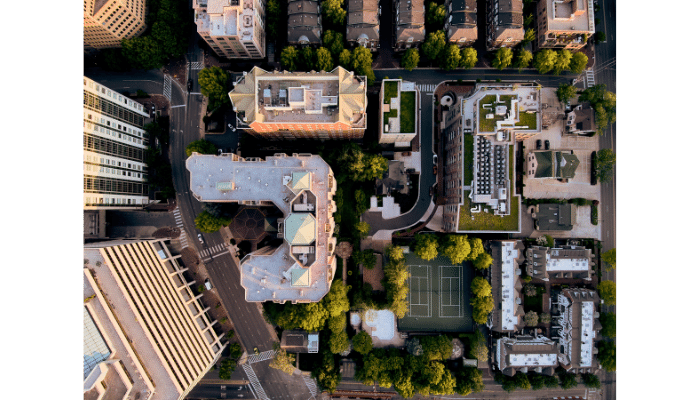
Get ready to take your real estate listings to new heights with the magic of drone photography! That’s right, real estate agents, we’re talking about the power of aerial shots to make your properties look like they’re straight out of a movie scene.
And let’s be honest, wouldn’t you want your listings to have that Hollywood appeal? And who doesn’t love playing with remote-controlled gadgets?
In this guide, we’ll explore the best drones for real estate photography, so you can fly high above and capture breathtaking shots that will leave your clients speechless.
So strap on your aviator goggles and get ready for takeoff, because we’re about to explore the wonderful world of real estate drone photography!
We’ll have you feeling like a kid again while also helping you to sell properties like a pro. Let’s dive start with some statistics that show how real estate drone photography can help your real estate business.

The Power of Real Estate Drone Photography by the Numbers
Here are five reasons you should be using real estate drones for your photography.
- Increased property views: According to a study by the National Association of Realtors (NAR), listings with aerial imagery received 61% more views than those without aerial imagery. This indicates that drone photography can attract more attention to a property, potentially increasing the chances of a sale.
- Higher sales prices: The same NAR study found that properties featuring aerial imagery had a higher sales price compared to similar listings without aerial imagery. On average, these properties sold for approximately 5.25% higher.
- Faster sales: According to multiple industry reports, properties listed with professional drone photography tend to sell faster than those without. The enhanced visual presentation and unique perspectives provided by drone imagery can generate more interest and lead to quicker sales.
- Improved online presence: In the digital age, online platforms play a crucial role in property marketing. A report by MLS statistics provider CRMLS revealed that listings with drone images had a 68% higher likelihood of being viewed compared to listings without drone images. This indicates that drone photography can significantly enhance online visibility and attract potential buyers.
- Differentiation from competitors: With the increasing availability of drone technology, utilizing aerial imagery can help real estate listings stand out from the competition. A visually captivating drone video or image can make a listing more memorable and unique, attracting more buyers and increasing the likelihood of a successful sale.

The Advantages of Drone Photography for Real Estate Marketing
Real estate photography has come a long way thanks to drones, and the technology continues to advance. Drones have revolutionized how we capture images and video footage, especially in the real estate industry.
With their ability to fly high and capture stunning aerial shots, drones have become an essential tool for real estate photography and videography. Not only do they offer a unique perspective of a property, but they also provide a range of advantages over traditional photography methods.
Unique Perspective
Drones provide a unique perspective that is impossible to achieve with traditional ground-based photography. By flying drones, you can capture stunning aerial footage of a property, showcasing its features and surroundings in a way that traditional photography simply cannot match.
This allows potential buyers to get a better sense of the property’s layout, size, and location.
Stand Out from the Crowd
In a crowded real estate market, it’s important to stand out from the competition. According to a recent study, a real estate agent with properties with aerial imagery are 68% more likely to sell than other properties.
By using drones for real estate marketing, you can differentiate yourself from other realtors and provide a more engaging experience for potential buyers. This can lead to more interest in your listings and ultimately result in more sales.
Increased Efficiency
Drones can also help increase efficiency in real estate marketing. With a drone, you can capture footage of a property in a fraction of the time it would take to do so with traditional photography. This allows you to showcase more properties in less time and ultimately close more sales.
Cost-Effective
Using drones for real estate marketing can also be cost-effective. While the initial investment in a drone may seem high, the cost of using traditional photography methods for each property can quickly add up. With a drone, you can capture footage of multiple properties in a single day, saving time and money in the long run.
Enhanced Safety
Drones also provide enhanced safety during real estate marketing. By using a drone, you can capture footage of properties without having to climb on roofs, use ladders, or put yourself in other potentially dangerous situations.
This can help reduce the risk of accidents and injuries, both for the realtor and potential buyers.

What to Look for When Choosing Your Real Estate Drone
When choosing a real estate drone to take videos of your real estate properties, there are several factors to consider, including camera quality, flight time, range, and portability.
Camera Quality
The camera is the most important factor to consider when choosing a drone for real estate aerial photography. Look for a drone with a high-quality camera that can shoot high-resolution photos and videos.
Ideally, it should have a 4K camera with a high megapixel count to capture stunning aerial images. Some real estate photographers use a mid-range drone with a camera that offers slow-motion capability to create dramatic shots.
Video Capabilities
In the realm of real estate drone footage, high-quality video capabilities are indispensable. A drone equipped with a 4K or higher resolution camera will ensure that your real estate videos are captured in stunning detail, accentuating the most appealing features of each property in just a few taps.
Additionally, consider drones with advanced stabilization systems and gimbal technology, as these will produce smooth, professional-grade footage free from shakiness or distortion.
High dynamic range (HDR) and low-light performance are also essential, enabling the capture of well-balanced images with vibrant colours and clear details, even under challenging lighting conditions.
Flight Time
Flight time is another crucial factor to consider when choosing a drone for real estate photography. A longer flight time means you can capture more footage without recharging the battery. Look for a drone with at least 20-30 minutes of flight time.
Flight Range
The range is another important factor to consider, especially if you’re shooting larger properties. Drone technology continues to get better so look for a drone with a long range that can fly several kilometres away from the controller. This will allow you to capture footage of the entire property from different angles.
Portability
Portability is also a key factor to consider if you plan to travel with your drone. Look for a drone that is lightweight and easy to carry. A foldable design is also a plus as it makes it easier to pack the drone in your bag.
Flight Safety
Flight safety is a crucial factor when selecting a drone for real estate photography, as it not only protects your investment but also ensures the safety of people and property. Opt for drones that come equipped with obstacle avoidance sensors, which help prevent collisions by detecting and navigating around objects in their path.
GPS-based positioning systems are another important feature, as they provide accurate location data and facilitate stable hovering, even in windy conditions. Additionally, look for drones with smart return-to-home (RTH) functions, which automatically guide the drone back to its launch point in case of a low battery or signal loss, reducing the likelihood of crashes or lost equipment.
Ease of Use
A drone that is easy to operate and control is essential for capturing the best aerial footage in real estate applications. User-friendly drones with intuitive controls and interfaces make it simple for operators of all skill levels to master their aerial photography skills.
Features like one-touch takeoff and landing, as well as customizable flight modes, can help streamline the piloting experience and allow users to focus on capturing the perfect shot.
Moreover, consider drones with smartphone app integration, which offers a convenient way to access camera settings, live video feed, and flight telemetry data. By prioritizing ease of use, you can ensure a seamless and enjoyable drone photography experience, ultimately resulting in exceptional real estate imagery.
Best Drones for Real Estate Drone Photography – Our Top Picks
Here are some of the best drones for drone real estate photography based on the factors discussed above. All the drones on this list are perfect for taking your real estate photos to the next level:


Recommended Accessories and Add-Ons for Real Estate Drones
When it comes to real estate drone operations, having the right accessories can significantly enhance your aerial photography and videography experience. Here are some essential accessories and add-ons that we recommend for real estate professionals:
A. Spare Batteries and Memory Cards:
- Investing in spare batteries allows you to extend your flight time and capture more footage without interruptions.
- High-capacity memory cards ensure you have sufficient storage space to store all your high-resolution images and videos.
B. ND Filters, Propeller Guards, and Carrying Cases:
- ND (Neutral Density) filters are essential for controlling exposure in different lighting conditions. They help prevent overexposed or washed-out shots and enable you to capture well-balanced images.
- Propeller guards provide an added layer of protection to your drone’s propellers, especially when flying in tight or confined spaces. They can minimize the risk of damage and costly repairs.
- A sturdy carrying case offers convenience and protection while transporting your drone and accessories. Look for cases with custom foam inserts to ensure a secure fit and easy organization.
C. Selecting Compatible Accessories:
- When choosing accessories, it’s crucial to ensure compatibility with your specific drone model. Check the manufacturer’s guidelines or consult with experts to select accessories that are designed for your drone’s make and model.
- Consider the weight and balance of your drone when adding accessories. Be mindful that excessive weight may impact flight performance and maneuverability, so choose accessories that are within the recommended limits.
- Take into account the specific needs of your real estate operations. For example, if you frequently shoot in bright sunlight, a sunshade for your mobile device may be beneficial for better visibility while operating the drone.
By equipping yourself with these recommended accessories, you can optimize the performance and usability of your chosen drone for real estate purposes. Spare batteries and memory cards ensure you have sufficient power and storage capacity, while ND filters, propeller guards, and carrying cases enhance functionality and protection.

Navigating the Downsides of Drones in Real Estate Photography
As with any technology, there are downsides to using modern drones for real estate photography.
Here are some downsides of drones for real estate photography and videography, and the challenges real estate professionals could face when using drones.
Learning Curve
Operating a drone effectively requires some level of skill and knowledge. There is a learning curve associated with flying and controlling a drone, especially for those who are new to piloting unmanned aerial vehicles. It may take time and practice to become proficient in capturing smooth and professional footage.
Legal and Safety Concerns
One of the biggest challenges of using drones for real estate photography is navigating the legal and safety concerns associated with their use. Drones must be operated by a licensed and trained pilot, and there are specific regulations and restrictions that must be followed.
For example, drones are prohibited from flying in certain areas, such as near airports or military bases. Additionally, drones must be flown below 400 feet and within the pilot’s line of sight at all times.
Check out the Federal Aviation Administration for more details on drone regulations in the United States or Transport Canada for Canadian-specific laws.
Weather Conditions
Another challenge of using drones for real estate photography is the impact of weather conditions. Drones can be affected by wind, rain, and other weather conditions, which can limit their use and affect the quality of the footage.
For example, high winds can make it difficult to control the drone, and rain or fog can reduce visibility and make it challenging to capture clear footage
Noise Concerns
Drones can generate a considerable amount of noise during flight, which may be disruptive or bothersome, particularly in residential areas or noise-sensitive locations. The noise produced by drones can impact the privacy and comfort of individuals nearby, potentially limiting their use in certain environments or at specific times.
Cost
Another downside of using drones for real estate photography is the cost associated with purchasing and maintaining a drone. Drones can be expensive, and the cost of repairs or replacement parts can add up quickly.
Additionally, drones require regular maintenance and battery replacements, which can be costly for smaller real estate businesses. If you’re new to drones, we would recommend starting off with the best affordable drone to practise flying before moving on to higher heights with one of the best options.
Perception of Buyers
Finally, some potential buyers may find the use of drones invasive or distracting, which could impact their perception of the property. While many people find aerial footage to be impressive and informative, others may feel uncomfortable with the use of drones.
This is particularly true for properties located in densely populated areas or neighborhoods, where the use of drones may be seen as intrusive.
Frequently Asked Questions
Real estate marketing drones are quickly becoming a must-have tool for realtors and property managers looking to showcase their listings in a unique and captivating way.
However, with so many options available, it can be overwhelming to choose the best drone for your specific needs. In this article, we’ll answer your frequently asked questions about choosing the best real estate marketing drones.
Q: What are drones used for in real estate
Drones are utilized in real estate primarily for capturing aerial photography and videography, offering unique perspectives and stunning visuals of properties that cannot be achieved with traditional ground-based methods.
By showcasing properties from various angles and heights, drones enable potential buyers to gain a comprehensive understanding of a property’s layout, surrounding landscape, and proximity to amenities.
Additionally, drones can be employed to create virtual tours and interactive 3D models, providing an immersive and engaging experience for prospective clients. In summary, drones have become an indispensable tool in the real estate industry, revolutionizing property marketing and presentation by delivering captivating imagery that drives interest and enhances property value.
Q: What factors should I consider when choosing a drone for real estate marketing?
When choosing a drone for real estate marketing, there are several factors to consider. These include camera quality, flight time, range, portability, and price.
Q: What is the best camera quality to look for in a drone for real estate marketing?
The camera is the most important factor to consider when choosing a drone for real estate marketing. Look for a drone with a high-quality camera that can shoot high-resolution photos and videos. Ideally, it should have a 4K camera with a high megapixel count to capture stunning aerial images.
Q: How much actual flight time should I look for in a real estate marketing drone?
Look for a drone with at least 20-30 minutes of flight time. This will give you enough time to capture footage without having to recharge the battery.
Q: What range should a real estate drone have?
The ideal range for a real estate marketing drone depends on the size of the properties being showcased and the desired coverage. Generally, a drone with a range of 1-2 miles (1.6-3.2 kilometres) should be sufficient for most residential and commercial real estate applications. This range allows the drone to capture various angles and elevations of a property, as well as provide a comprehensive view of the surrounding area. However, larger properties or more expansive estates may necessitate a drone with a greater range.
Q: What should I look for in terms of portability in a real estate drone?
When considering portability for a real estate drone, there are several factors to keep in mind. Firstly, look for drones with a compact and lightweight design, making it easy to transport and carry them to different locations. Generally, a drone weighing between 0.55 lbs (250 grams) and 4.4 lbs (2 kilograms) is well-suited for real estate purposes.
Foldable drones, which have arms that can be collapsed or retracted, are particularly convenient as they can be easily packed into smaller carrying cases or backpacks. Secondly, consider the drone’s setup time; quick and easy assembly will save valuable time on-site. Lastly, take into account the battery life and availability of spare batteries.
A drone with a longer flight time per charge reduces the need for frequent battery swaps, while having extra batteries on hand ensures continuous operation during extended shoots.
Q: What are the best drones for real estate?
The best drones for real estate include the DJI Mini 3 Pro, DJI Mavic 3, Autel EVO 2 Pro, Autel EVO Lite+, Parrot Anafi AI, DJI Air 2S, DJI Phantom 4 Pro, DJI Avata
Q: What are the best starter drones for real estate?
DJI Mini 2, Ryze Tech Tello, Holy Stone HS720
Q: How do I choose the best real estate drone for my needs?
Consider factors such as your budget, intended use, and level of experience when choosing a drone for real estate marketing. Also, compare the features, pros, and cons of each drone to make an informed decision.
Q: Can I use a real estate drone for other purposes?
Yes, you can use a real estate drone for various other purposes beyond property photography, as long as the drone’s features and capabilities align with your intended application. Drones equipped with high-quality cameras and advanced flight features can be used for a wide range of activities, such as:
- Aerial videography and photography for events like weddings, sports, and outdoor gatherings.
- Inspection and surveying tasks for construction sites, infrastructure, and agriculture.
- Creating promotional and marketing materials for businesses, tourism, and local attractions.
- Environmental and wildlife monitoring, conservation efforts, and scientific research.
- Mapping and 3D modelling of landscapes, urban planning, and land development projects.
Keep in mind that using your drone for different purposes may require adherence to specific regulations or obtaining additional permits, depending on the location and the nature of the activity.
Always ensure you are familiar with and comply with all relevant rules and guidelines for your intended drone usage.
Q: Do I need a commercial drone license to fly a real estate marketing drone?
It depends on the country and state/province you’re in. In most cases, flying a drone for commercial purposes, such as real estate photography, requires a license or certification. In the United States, for example, you must obtain a Part 107 Remote Pilot Certificate from the Federal Aviation Administration (FAA) to fly a drone for commercial purposes.
To acquire this certification, pilots must pass an aeronautical knowledge test and meet other eligibility requirements. In Canada, you would also need to apply for a Drone Pilot Certificate from Transport Canada.
Other countries may have similar licensing procedures and regulations in place for commercial drone pilots. It is essential to research and comply with the specific regulations in your area to ensure the legal and safe operation of your real estate drone.
Failure to adhere to these regulations can result in fines, penalties, or even the confiscation of your drone equipment. Be sure to check the regulations in your area before flying a drone for real estate.
Final Thoughts
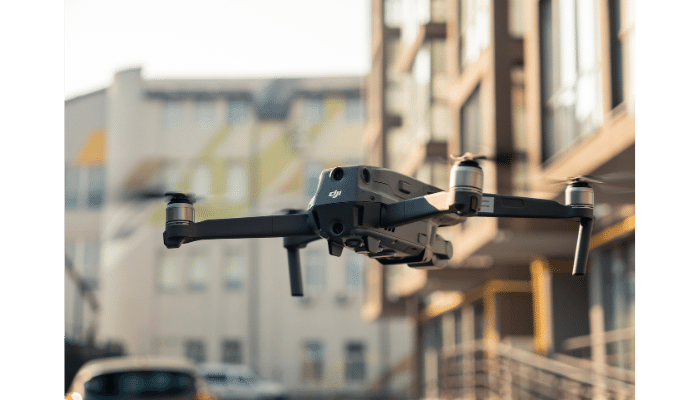
In conclusion, selecting the best drones for real estate is a crucial decision that warrants careful consideration. By thoroughly understanding the features, capabilities, and specifications of different drones, you can make an informed choice that aligns with your specific needs and budget.
Whether you’re an experienced drone pilot or a first-time user, incorporating a real estate marketing drone into your toolkit can elevate your property listings to new heights. With stunning aerial photography and captivating videos, you can offer potential buyers a unique and immersive perspective of their dream property.
Embrace the power of drones in real estate marketing and unlock a world of possibilities for showcasing properties like never before.


