The Power of Video Marketing in Real Estate: How to Create Compelling Property Tours
Introduction

In today’s digital world, video marketing is a must have in many industries and real estate is no exception.
The emphasis on visual content in marketing has made videos a go to for home buyers and sellers who want to make informed decisions.
Whether it’s browsing property listings, checking out a home’s ambiance or exploring a neighborhood, video marketing is changing the way properties are presented.
For real estate agents, video is no longer a luxury or a fad – it’s a key part of a marketing strategy.
While static images and text have their place, video marketing offers an immersive experience that engages buyers, builds trust and sets agents apart in a crowded market.
The rise of mobile users and video consumption patterns can’t be ignored – many consumers watch videos on their smartphones and tablets.
From virtual property tours to agent intro videos, video content creates a connection and authenticity that traditional methods can’t match.
And with the trend of watching videos online, video marketing in real estate has become a must have for engagement and outreach.
If you’re in real estate and haven’t jumped on the video marketing bandwagon yet, now’s the time to get on board.
Let’s get into video marketing and see what all the fuss is about.
Why Video is Important for Real Estate

More Engagement and Reach
One of the main reasons video marketing is a game changer in real estate is it grabs attention.
Studies show that real estate listings with video get more inquiries than those with just text and photos. Because video content is more engaging and easier to consume.
People are more likely to watch a video of a property than read through a long description.
Plus platforms like YouTube, Instagram and Facebook love video content so your video listings will appear in user feeds and searches and you’ll reach a bigger audience.
Video content is also more shareable – potential buyers and interested viewers can forward a great video tour to friends and family and multiply the visibility of your listings.
Not only do videos engage, but they also keep video viewers on your listings for longer which can lead to more interest and inquiries.
Understanding video metrics is key to measuring engagement and effectiveness.
A good video can encourage viewers to take the next step – whether it’s scheduling a showing, requesting more info or making an offer.
Attracting video viewers is a critical stage in the marketing funnel, as it transitions engagement into conversion.
Show Properties Better with Property Tours

When it comes to showing a property there’s no better way than with video.
Traditional property listings with static images and text descriptions can provide useful information but videos bring the property to life.
Video marketing allows buyers to see the layout, size and atmosphere of a home in a way that photos can’t.
High quality video tours allow buyers to virtually walk through the property and get a better sense of the space and imagine themselves living there.
With the advancement of technology, virtual reality (VR) and 360 degree cameras have made property tours even more immersive.
These tools allow buyers to take self guided virtual tours from the comfort of their own home which is perfect for international buyers or those who can’t attend in person viewings.
An animated explainer video can convey complex information about the property quickly so buyers can understand the unique features.
A 360 degree video gives buyers a full uninterrupted view of every room so they can assess the property better.
By offering video tours agents can attract more serious buyers who have already screened via video and cut down on unnecessary in-person showings and streamline the buying process.
Trust and Credibility

In real estate trust is everything and video content is a powerful tool to build that trust with buyers and sellers.
By putting a face to your name and creating a connection videos humanize the agent-client relationship.
Agent intro videos for example allow real estate professionals to introduce themselves, showcase their expertise and present their approach to the buying or selling process.
This builds rapport and makes potential clients feel more comfortable to reach out.
Behind the scenes content can give a glimpse into the agent’s operations and build trust.
Plus video testimonials from happy clients are social proof of your services and credibility.
A happy client sharing their experience in a video is more powerful than a written testimonial because it’s more personal and engaging.
These videos are visual proof that you’ve helped clients achieve their real estate goals so others will trust you with their buying or selling journey.
1. Property Listings
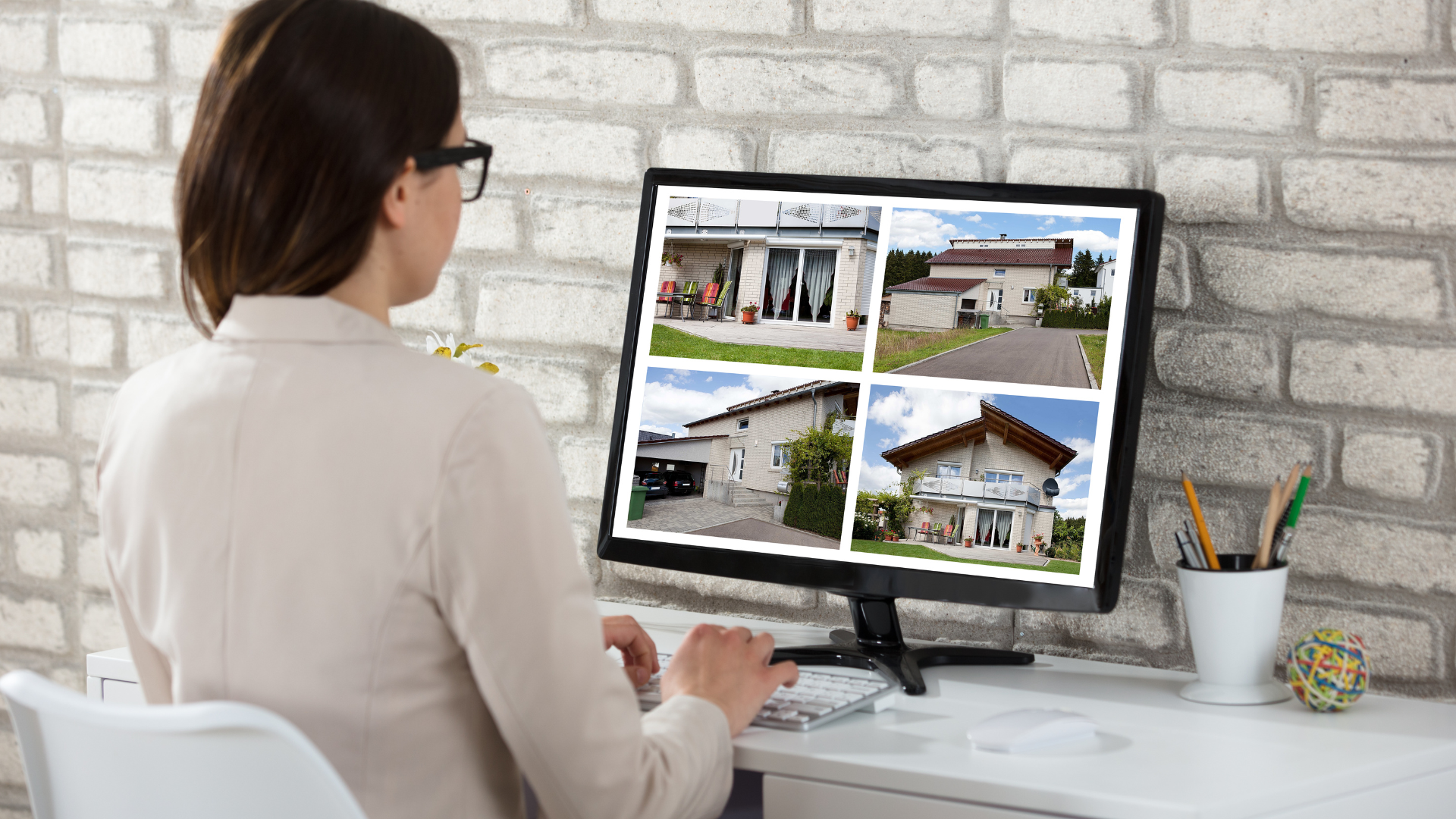
Virtual tours and property walk-throughs are a must have for modern real estate marketing.
These videos give potential buyers a detailed view of the home’s layout, features and unique selling points so they can see the property before they schedule an in person visit.
High quality virtual tours allow viewers to get a sense of the flow and atmosphere of the home which can lead to faster decisions.
Explainer videos focus on telling a narrative of a buyer persona overcoming challenges with the help of the property.
Explainer videos focus on illustrating a fictional journey of the company’s core buyer persona who encounters a problem and resolves it by adopting the business’s solution.
Whether you’re marketing a family home or a luxury estate a video tour gives a visual experience that goes beyond what static images can.
For example instead of just showing individual rooms a video walk-through can show how different areas of the home are connected and highlight the best features of the home from spacious kitchens to outdoor areas.
2. Neighborhood Guides

Real estate is not just about the property it’s also about the neighborhood.
Location plays a big role in buyers decisions and neighborhood guide videos can be a powerful tool to showcase the community.
These videos allow agents to show nearby amenities such as schools, parks, shopping centers, restaurants and transportation options so buyers can see what it would be like to live in that area.
By creating neighborhood guides agents give a more complete picture of the lifestyle that comes with buying a property making their listings more attractive to potential buyers.
This is especially useful for buyers relocating from other cities or countries who may not be familiar with the area.
Plus adding brand videos can communicate the vision and mission of the neighborhood and increase engagement.
3. Agent Intro Videos

One of the most personal and effective types of real estate videos is the agent intro video.
This type of video allows real estate professionals to introduce themselves, explain their approach to real estate and showcase their personality.
By presenting yourself in a friendly and approachable way you can make a strong first impression and build trust with potential clients.
Video marketing campaigns need to have clear goals and align creative efforts with desired outcomes.
These videos also position you as an expert.
By talking about your knowledge of the local market, experience with past transactions and your commitment to customer satisfaction you can establish yourself as a trusted real estate professional.
When buyers and sellers feel a connection with you they’ll choose you as their agent.
4. Client Testimonials

Nothing builds trust like hearing from happy clients.
Video testimonials from past buyers and sellers are social proof and will make potential clients feel confident in working with you.
A well crafted testimonial video allows happy clients to share their experience in their own words and tell a story about the value of your services.
Using video campaigns on platforms like Twitch can also increase visibility and reach.
These videos are not only good for credibility but also to differentiate yourself from competitors.
Viewers who see testimonials from people who were once in their shoes will trust your expertise and choose you over another agent who doesn’t have the same level of social proof.
5. Market Updates and Tips

Keeping clients informed about the latest real estate market trends is a great way to position yourself as an expert.
Video content that shares market updates, pricing strategies and home buying tips will keep your audience engaged and establish you as the go to expert.
By providing value through videos you’ll have viewers coming back to you for advice and guidance throughout their real estate journey.
Using multiple marketing channels to increase audience engagement and test content is also key.
Video Marketing Encourages Social Shares

In the realm of real estate, video marketing is a powerful tool for encouraging social shares.
When a video is engaging, informative, and entertaining, viewers are more likely to share it with their friends and family on social media platforms. I
n fact, videos are 22 times more likely to be shared than text-based content.
This is because videos are more easily consumable and can be quickly understood, making them a great way to communicate a message or showcase a property.
Imagine a beautifully shot property tour that highlights the unique features of a home, paired with a compelling narrative.
Such a video not only captures the attention of potential buyers but also encourages them to share it with their network, exponentially increasing its reach.
By incorporating video into your marketing strategy, you can increase the chances of your content being shared and going viral, ultimately driving more traffic to your listings and generating more leads.
Video Marketing Appeals to Mobile Users

With the majority of internet users accessing content on their mobile devices, it’s essential to ensure that your video marketing strategy is optimized for mobile.
Mobile users are more likely to watch videos on their devices, with 77% of smartphone users watching videos on their devices.
This trend underscores the importance of creating videos that are mobile-friendly to increase engagement and reach a wider audience.
To cater to mobile users, consider using vertical video formats, which are more suited to the way people naturally hold their phones.
Additionally, shorter video lengths are more effective in capturing the attention of mobile users who are often on the go.
Including captions is also crucial, as many mobile users watch videos without sound.
By optimizing your videos for mobile, you can ensure that your content is accessible and engaging for a broader audience, enhancing the effectiveness of your video marketing campaigns.
Video Marketing Strategy for Real Estate

A video marketing strategy is key to success in today’s digital world. Here are some things to consider when creating a video strategy:
Know Your Objectives

Before you start production you need to define your objectives. What do you want to achieve with your video campaign? Are you looking to increase brand awareness, drive website traffic, generate leads or boost sales? Knowing your objectives will help you decide on the type of content to create, the tone to use and the channels to distribute your videos. For example if you want to generate leads you might focus on creating engaging property tours and explainer videos that highlight the unique features of your listings.
Know Your Audience and Message

Knowing your target audience is key to creating good video content. Who are they? What are their pain points? What are their interests? What message do you want to send to them? Your message should be clear, concise and relevant to your audience’s needs. Create buyer personas to help guide your content creation. For example if your audience is first time homebuyers your videos might focus on educational content such as how-to videos and animated explainer videos that simplify the home buying process.
Use Good Visuals and Audio

The quality of your video is key to keeping your audience engaged. Invest in good visuals and audio so your video looks and sounds professional. Use a mix of footage, animations and graphics to keep your video visually interesting. Make sure your audio is clear, crisp and easy to understand. Good production values will not only increase viewer engagement but also reflect well on your brand making you look more credible and trustworthy.
Make Sound Optional

Not everyone will watch your video with sound so make sure to include captions, subtitles or closed captions so your message is still conveyed without audio. This is especially important for social media where videos are often watched on mute. By making your videos accessible to all viewers including those who are hearing impaired or watching in a noisy environment you can increase your reach and engagement.
Clear Call-to-Action

A clear call-to-action (CTA) is key to driving engagement and conversions. What do you want your viewers to do after watching your video? Make your CTA prominent, clear and actionable. Use language like “Sign up now”, “Learn more” or “Get started” to encourage viewers to take action. Whether it’s scheduling a property tour, contacting you for more information or subscribing to your newsletter a strong CTA will guide your audience to the next step in their journey.
By following these tips you can create a video marketing strategy that speaks to your audience, drives engagement and achieves your objectives. Remember to always keep your goals, audience and message in mind when creating your video content.
How to Make Real Estate Videos

Making real estate videos is more than just pressing record. To make videos that speak to your audience here are some key elements to consider:
Good Quality Footage

To stand out in the competitive real estate market the quality of your videos matters. Using good quality equipment – including high resolution cameras, drones for aerial shots and 360 degree cameras – will make your videos look polished, interesting and engaging. Good lighting, stable camera work and clear audio is also important to make a good impression on potential buyers. Having clear objectives for a video campaign is key to aligning creative efforts with desired outcomes.
While professional videography may seem like a big investment the return in terms of increased viewer engagement and faster sales can be huge. Well produced videos convey professionalism and attention to detail both of which are key to building trust with buyers.
Storytelling

Every property has its own story and good real estate videos should tell that story. Instead of just listing the features of a property tell a story about how the property fits into the lifestyle of the buyer. Are you marketing a family friendly suburban home with a big backyard or a modern urban loft with city views? Use your video to paint a picture of the life that buyer could live in that space.
Storytelling adds an emotional layer to your videos making them more memorable and persuasive. Buyers aren’t just buying a property they’re buying a lifestyle and your videos should communicate that.
Length and Format
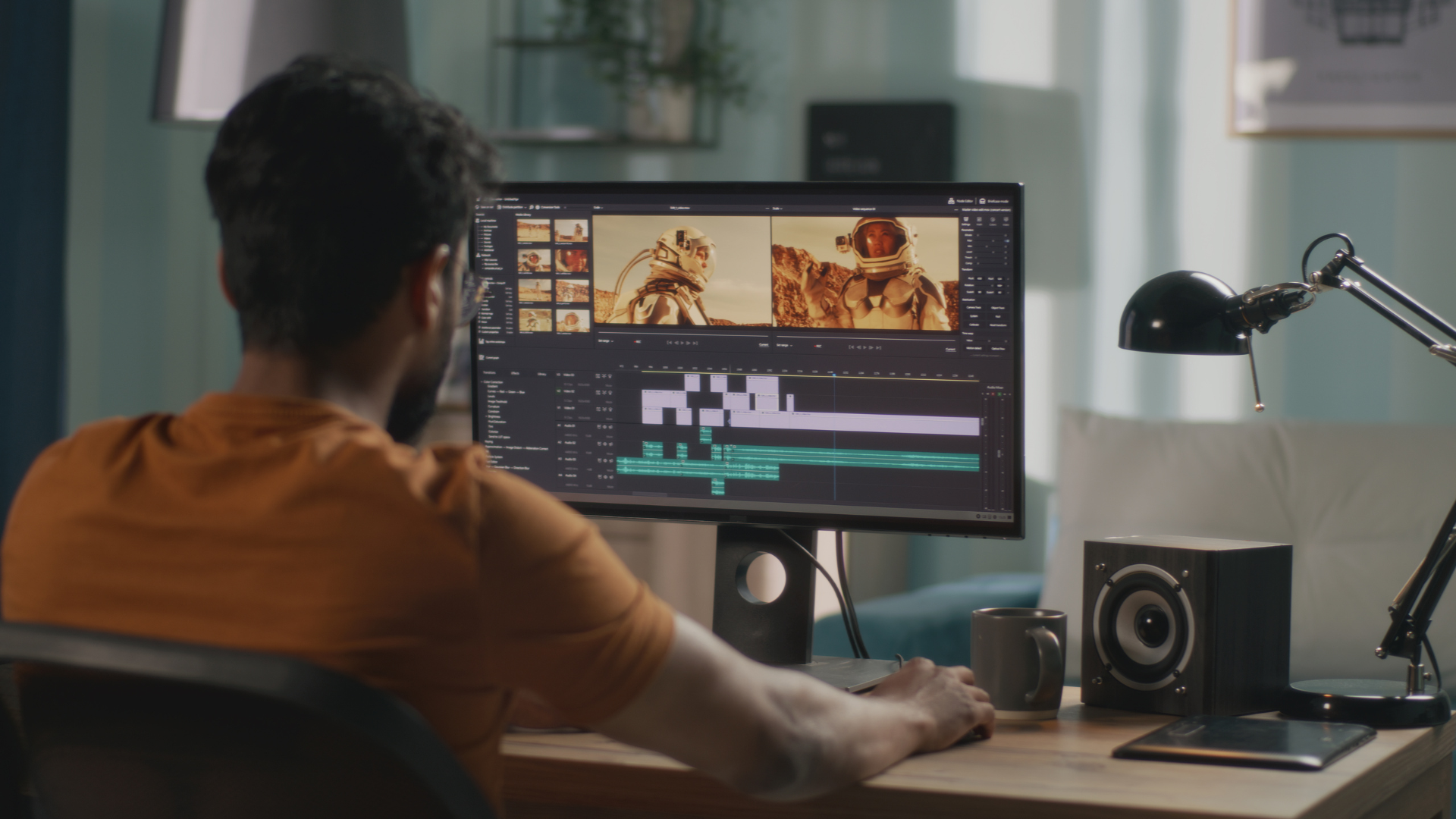
The length and format of your videos will vary depending on the platform you’re using. For platforms like Instagram and Facebook shorter videos (around 60 seconds) tend to perform better due to their users shorter attention span. For platforms like YouTube or dedicated real estate listing sites longer more detailed videos are acceptable.
Regardless of the platform you need to grab the viewer’s attention in the first few seconds. Whether it’s a quick intro to the property or a stunning aerial shot the opening of your video should hook the viewer and make them want to keep watching.
Branding

To reinforce your brand include your logo, color scheme and contact information in all your real estate videos. Consistent branding across all your videos will help build brand recognition which is key to standing out in a competitive market. And including your contact information makes it easy for buyers to get in touch when they’re ready to act.
Where to Promote Real Estate Videos

Now you have your real estate videos made it’s time to distribute them across the right channels to get maximum exposure.
Social Media Platforms

Social media is a powerful tool for promoting real estate videos. Platforms like YouTube, Instagram, Facebook and LinkedIn have a large audience and engagement features. Each platform has its own strengths so you need to optimize your videos for the platform you’re using. For example Instagram’s Reels favor short form content while YouTube is better for longer more detailed property tours.
Website and Property Listings

Embedding videos on your website and property listing platforms like Zillow,
Realtor.com or Redfin is a great way to get more views and inquiries. Video content enhances your property listings and keeps visitors on your site longer reducing bounce rates and increasing the chance of conversions.
Email Marketing

Including videos in your email campaigns will boost engagement. Whether you’re sending out new listings, market updates or client testimonials including a video will increase click through rates and get viewers to take action.
Paid Ads

Paid advertising platforms like META Ads (formerly Facebook Ads) and Google Video Ads allow you to target specific demographics, locations and interests so your video content reaches the right audience. By investing in paid ads you can get more visibility for your real estate videos and generate more leads.
Video Hosting and Distribution

Once you’ve created your video content, it’s essential to host and distribute it effectively to maximize its impact. There are several video hosting platforms available, each with its own strengths and weaknesses. YouTube, for instance, is the second largest search engine and offers extensive reach and discoverability. Vimeo, on the other hand, is known for its high-quality video playback and professional community. Vidyard provides advanced analytics and integration options, making it ideal for businesses looking to track video performance.
When it comes to distribution, consider using a combination of owned, earned, and paid channels to reach your target audience. Share your videos on social media platforms like Facebook, Instagram, and LinkedIn to leverage their large user bases and engagement features. Embed videos on your website and property listing platforms to enhance your listings and keep visitors engaged. Additionally, using paid advertising on platforms like Google Video Ads and META Ads can help you reach a wider audience and generate more leads. By strategically hosting and distributing your video content, you can ensure it reaches the right audience and achieves your marketing goals.
Video Marketing for Real Estate
The benefits of video marketing for real estate are many. Here are a few:

More Conversions

Video marketing can shorten the sales cycle by giving buyers all the information they need visually. Instead of having to do multiple in person showings buyers can get a full view of a property through video tours and make a decision faster.
Better SEO and Website Traffic
And then we can get into how different platforms support video SEO:
YouTube SEO:
Since YouTube is the second largest search engine, you should upload your real estate videos there and optimize them for local searches. Talk about keywords, video tags and even subtitles to increase visibility on this platform.
Google Search Preference:

Google’s algorithms love websites with video content so they rank higher in SERPs. Go into detail about how embedding video on your homepage and property listings reduces bounce rates and increases conversions.
Backlink Opportunities:
Videos are more likely to be shared on social media and other websites so they create backlinks that boost SEO.
Video Testimonials vs Written Testimonials:

While written reviews are valuable, video testimonials show emotion, tone and authenticity. Talk about how a past client’s facial expressions, voice and body language can convey their satisfaction with a transaction in a way that text can’t.
Video Tips
To get the most out of your real estate videos follow:
Keyword Research:

Go deeper into finding the right keywords for your real estate videos. Use Google Keyword Planner or SEMrush to see what buyers are searching for.
YouTube Optimization:
Share YouTube specific strategies like adding timestamps to different parts of the video, writing a video description and creating a thumbnail to increase click-through rates.
Geo-Tagging for Local Searches:
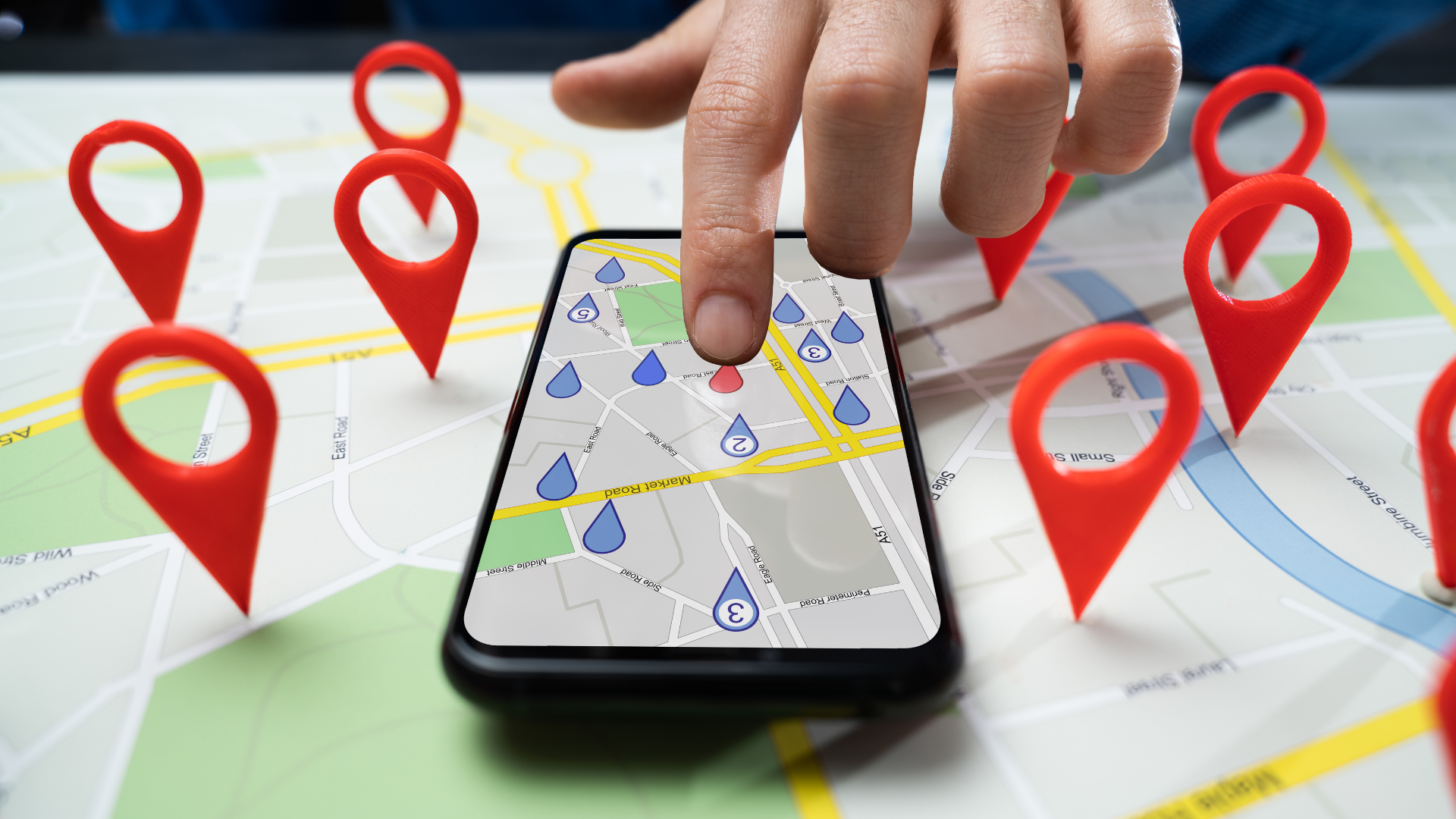
Talk about how real estate agents can benefit from geo-tagging their videos for hyper-local searches. For example tagging a property video with local keywords like “Miami luxury apartments” can target buyers looking in that area.
Engagement-Based CTAs:

Vary CTAs based on the audience. For example a virtual tour of a high-end property may end with a call to schedule an exclusive in-person viewing while a general property guide may ask users to download a full neighborhood guide.
Measuring CTA Success:

Use analytics tools like Google Analytics or social media insights to see which CTAs are performing. How to adjust CTAs over time to increase click-through rates and conversions.
CTA Placement:

Talk about strategic placement like embedding CTAs at the beginning, middle and end of the video based on the content and audience attention span.
Thumbnails and Captions

Get into the psychology behind video thumbnails and captions:
Multi-Language Captions:

If your target audience is international buyers consider offering captions in multiple languages to increase your reach.
The Rise of Watching Videos Online

Get into the stats on the rise of video consumption:
Changing Consumer Preferences:
The pandemic drastically altered how buyers interact with real estate. With lockdowns and social distancing, virtual viewings became the new normal, allowing buyers to safely tour homes from their devices. Video consumption, once mainly for entertainment, became a critical tool in the buyer’s journey. Studies show that over 50% of homebuyers now prefer to begin their search online, with videos offering an immersive, efficient way to explore properties without physically visiting. This shift has proven so effective that even as restrictions ease, virtual viewings and video-based home tours remain a preferred method for many.
Cross-Generational Appeal:
Video content has a unique ability to appeal to all age groups in the real estate market. Millennials, who are digital natives, heavily rely on video tours before committing to an in-person visit, valuing efficiency and convenience. On the other hand, older generations, who were slower to embrace digital tools, are now increasingly turning to virtual tours, especially as health concerns and travel limitations arise. These virtual experiences eliminate the hassle of visiting multiple properties and make the home-buying process smoother for retirees and empty-nesters, proving video’s universal appeal across generational lines.
Short-Form Content:
While comprehensive virtual tours provide in-depth insights into properties, short-form content like TikTok and Instagram Reels has gained tremendous popularity for real estate marketing. These 15-30 second videos quickly grab attention and generate interest, serving as powerful teasers that entice potential buyers to explore more. Agents can showcase property highlights, neighborhood features, or even introduce themselves in these brief snippets, engaging viewers who may not have the time for longer videos. With attention spans shrinking, short-form content offers a dynamic way to capture leads and drive traffic to full-length property tours or websites.
The Future of Real Estate Video Marketing
Future Trends:
Virtual Reality (VR) and Augmented Reality (AR):

As technology evolves, VR and AR are set to revolutionize real estate video marketing. AR apps enable buyers to overlay furniture or design elements into spaces they’re considering, offering a personalized view of how they might live in a home. VR, on the other hand, takes this a step further by offering completely immersive, 360-degree virtual tours, allowing potential buyers to navigate through a property as if they were physically there. This cutting-edge approach can significantly enhance the buyer experience, particularly for luxury real estate or international buyers who may not have immediate access to the property.
AI and Personalization:

Artificial Intelligence (AI) is becoming an invaluable tool for creating personalized video experiences in real estate. By analyzing user preferences, search history, and behavior, AI can recommend tailored property videos to potential buyers. This personalization ensures that buyers are presented with content that closely matches their needs, increasing the likelihood of conversion. For instance, if a buyer frequently searches for beachfront properties, the AI algorithm can deliver a curated selection of video tours for homes that match that exact criterion, enhancing their overall user experience and saving time for both buyers and agents.
Live-Streaming for Auctions and Open Houses:
The rise of live video streaming offers exciting new opportunities for real estate professionals. By live-streaming property auctions or virtual open houses, agents can engage remote buyers in real time, breaking down geographical barriers and increasing accessibility. Live-streamed events also allow potential buyers to ask questions, request specific property views, or interact with the agent directly, fostering engagement and trust. This strategy not only broadens the reach of property listings but also enhances the level of transparency in the real estate process, creating a more interactive and immediate way for buyers to explore properties
Advanced Video Strategies for Real Estate
Multi-Platform Distribution
Distributing video content across multiple platforms is crucial for maximizing exposure in real estate. YouTube, with its vast audience and SEO benefits, ensures that your videos rank well in search results, attracting organic traffic. Vimeo, on the other hand, offers a cleaner, more professional interface, ideal for embedding videos on websites or sharing with high-end clients. By leveraging both platforms, real estate agents can target different types of viewers and tailor their video strategies. Additionally, using social media platforms like Facebook, LinkedIn, and Instagram enhances visibility and encourages sharing, increasing the chances of reaching the right audience:
YouTube and Vimeo:
Compare YouTube vs. Vimeo for hosting video content, what are the benefits of each, Vimeo’s clean and professional interface vs. YouTube’s SEO benefits.
Higher Click-Through Rates:
Incorporating the word “video” in email subject lines can significantly boost open rates, making video a valuable asset in real estate email marketing. Real estate agents can enhance their communication with clients by creating personalized video emails showcasing new listings, price updates, or upcoming open houses. By embedding video links within the email, agents can provide a more engaging experience, increasing click-through rates and encouraging further interaction. Additionally, these video emails offer a modern, streamlined approach to keeping clients updated on the market, ultimately fostering stronger relationships and leading to faster sales.
Conclusion
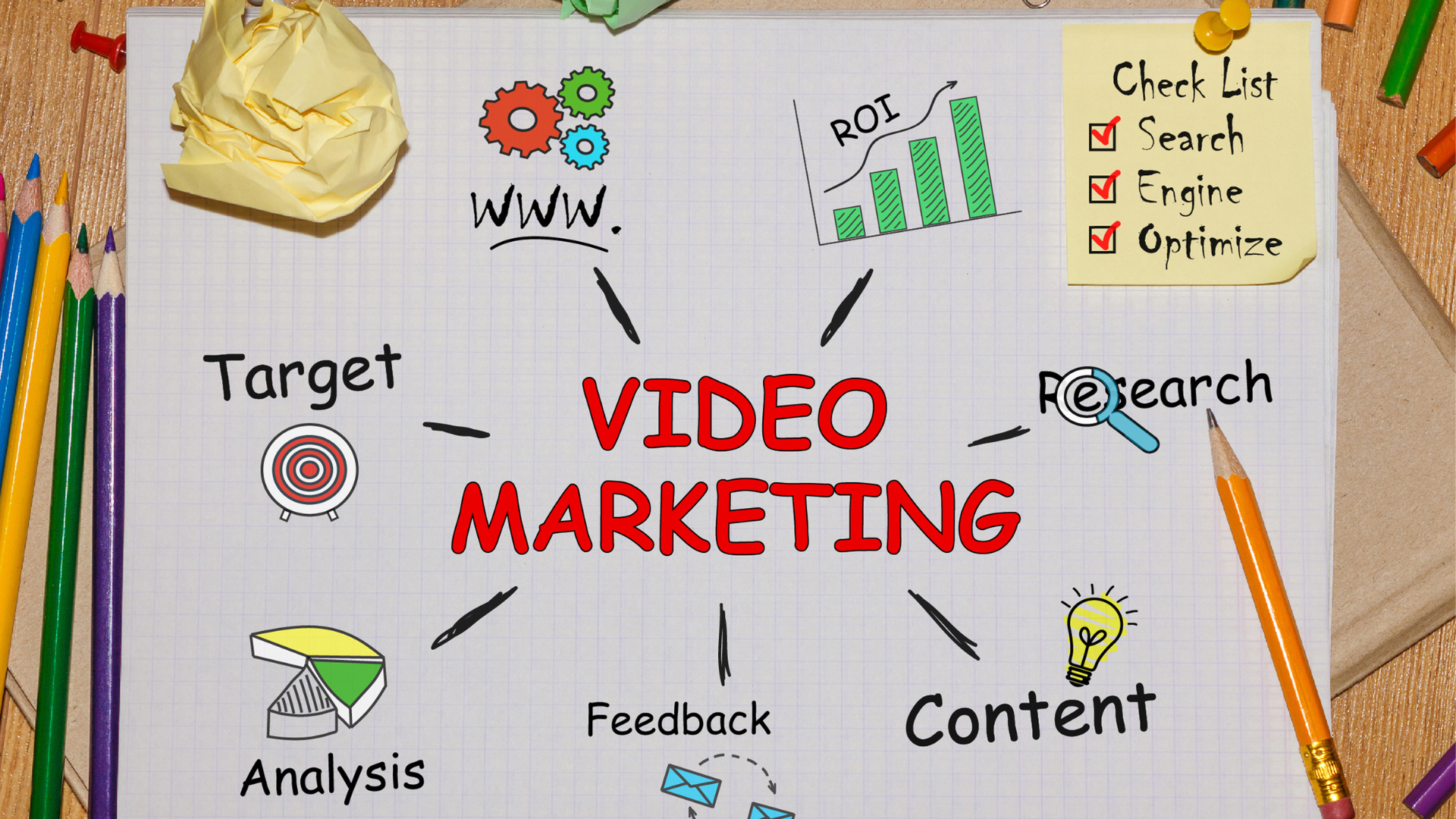
In today’s real estate market video marketing is a powerful tool to showcase properties, build trust and drive engagement. By pushing video marketing mix with quality videos, you’ll stand out from the competition and attract more clients. Whether you’re creating virtual property tours, neighborhood guides or agent introduction videos video content is an opportunity to connect with your audience and existing customers in a dynamic, memorable and effective way.
Get started now.


