
Top Social Media Strategies for Real Estate Agents
From Traditional to Digital

The shift from traditional to digital has dramatically changed the real estate industry and how agents connect with buyers through real estate social media marketing.
Yard signs, newspaper ads, and physical open houses used to be the foundation of the business. Now, they are secondary to digital methods.
The rise of mobile technology and the internet has provided a whole new set of tools to showcase properties effectively. Virtual tours, 3D floor plans, and drone footage allow buyers to see properties from the comfort of their own homes, eliminating the need to visit multiple times.
These digital tools make the home-buying process more accessible and convenient for both buyers and sellers.
Agents who integrate these tools into their strategy, particularly through real estate social media marketing, will attract tech-savvy clients and generate leads by understanding their target audience and crafting meaningful narratives, ensuring they remain competitive in today’s dynamic real estate marketing.
Technology Impact on Buyer Behavior:

Technology has changed buyer behavior in the real estate market. Storytelling plays a crucial role in generating leads, as engaging narratives capture attention and enhance retention.
Modern buyers expect instant access to property listings and want immersive experiences beyond static images.
Interactive tools like video walkthroughs, AR for staging homes, and neighborhood overviews allow buyers to make quick decisions.
According to the National Association of Realtors (NAR), 97% of buyers start their home search online, so having a strong digital presence is key.
This has created a more competitive market and agents need to engage with buyers earlier in their journey through personalized, data-driven social media campaigns.
As buyers are using digital tools for information, agents need to be online and provide engaging, multimedia content that answers their questions and addresses their concerns in real-time.
Agents who don’t adapt to this will miss out on a big chunk of potential clients.
Social Media Stats:

Social media has become a mainstay of modern real estate marketing, agents are using platforms like Instagram, Facebook, and LinkedIn to connect with buyers and sellers.
Realtors can showcase their marketing materials during live events and social media content creation to enhance trust and engagement with potential clients.
By effectively utilizing these platforms, real estate professionals can generate leads by reaching a wider audience and engaging with potential clients.
As of 2023, 77% of real estate professionals report using social media to promote listings, build their brand and engage with their audience.
The importance of these platforms is clear among millennials who now make up 44% of homebuyers.
These tech-savvy individuals spend 2.5 hours a day on social media, they are the key demographic for agents.
Facebook is the most popular platform but Instagram’s visual platform is gaining fast for showcasing high-quality property images and videos.
Targeted advertising on social media allows agents to reach specific audiences by age, location, interests, and even home-buying behavior.
Agents who ignore social media will lose access to a big pool of potential leads especially in younger, tech-oriented markets.
Influencer Marketing in Real Estate

Influencer marketing is becoming a popular strategy for a real estate agency to increase visibility and credibility.
By partnering with local influencers – lifestyle bloggers, interior designers or community leaders – agents can showcase their listings to a bigger, engaged audience.
Influencers have loyal followers who trust their opinions and recommendations so their endorsement is very valuable.
These partnerships can also help generate leads by reaching a larger, engaged audience and building trust through influencer endorsements. These partnerships work best when the influencer is targeting the same demographic as the agent, creating authentic connections and more qualified leads.
Influencers can also help increase brand awareness by sharing content like virtual open houses, property walkthroughs or neighborhood spotlights.
This type of content promotes specific listings but also the agent’s reputation as a local expert.
Why Social Media Marketing is Important for Real Estate Agents

Social media is a must-have tool, it’s more than just a platform to post listings.
Utilizing social media marketing companies can enhance brand exposure, streamline the process of building an audience, and generate leads by effectively targeting potential clients, which is crucial for success in the real estate business.
It’s an opportunity to build lasting relationships, create a personal brand, and connect with potential buyers more humanly.
Buyers today want personalized, on-demand content that feels authentic and relevant to their needs.
Agents who can use social media well can leverage this trend to increase visibility, credibility, and business growth.
The ability to interact with followers and respond to their queries in real time is a big advantage.
Importance of Online Presence for Real Estate Professionals
In today’s digital age, having an online presence is crucial for real estate professionals to stay competitive and reach potential clients. A strong online presence allows them to showcase more listings, share their expertise, and build trust with their audience. With the majority of homebuyers and sellers starting their search online, having a professional website and social media presence is essential for real estate professionals to attract new clients and grow their businesses.
Benefits of Social Media Marketing for Real Estate Business
Social media marketing offers numerous benefits for real estate businesses, including increased brand awareness, lead generation, and improved customer engagement. By leveraging Facebook, Instagram, and LinkedIn, real estate professionals can reach a wider audience, build their personal brand, and establish themselves as industry experts. Social media marketing also allows real estate professionals to share their listings, provide market updates, and offer valuable insights to their audience, ultimately driving more leads and sales.
Building a Strong Online Presence

In today’s digital age, building a strong online presence is crucial to establish their personal brand, connect with potential clients, and stay ahead of the competition.
A robust online presence not only helps agents build trust and credibility but also positions them as authorities in the real estate industry.
Here are some essential tips to help agents build a strong online presence:
Create a Professional Website:
- Your website is your digital storefront. Ensure it showcases your listings, services, and expertise. A well-designed, user-friendly website can leave a lasting impression on potential clients.
Leverage Social Media Platforms:
- Use social media platforms to share engaging content, interact with potential clients, and build a community. Regularly posting updates, property listings, and market insights can keep your audience engaged.
Optimize for Search Engines:
- Improve your visibility by optimizing your website and social media profiles for search engines. Use relevant keywords, meta descriptions, and alt texts to enhance your SEO.
Use High-Quality Visuals:
- High-quality photos and videos can make your listings stand out. Provide virtual tours and immersive experiences to give potential buyers a real feel of the properties.
Utilize Online Reviews and Testimonials:
Positive reviews and testimonials can build credibility and trust. Encourage satisfied clients to share their experiences online and feature these testimonials prominently on your website and social media accounts.
Choosing the Right Social Media Platforms

Choosing the right social media platforms is essential to effectively reach and engage with their target audience.
Each platform has its unique strengths and can be leveraged differently to maximize impact.
Here are some popular options that agents can consider:
Facebook:
- With its large user base, Facebook is ideal for sharing listings, market updates, and community news. Its robust advertising tools allow for precise targeting, making it easier to reach potential clients.
Instagram:
- A visually-driven platform perfect for showcasing properties. Use Instagram Stories to share behind-the-scenes content and engage with your audience in a more personal way.
LinkedIn:
- A professional networking platform ideal for connecting with other real estate professionals, sharing industry news, and establishing thought leadership. It’s a great place to build credibility and connect with potential investors.
YouTube:
- Perfect for creating virtual tours, sharing market updates, and providing educational content. Video content can be highly engaging and offers a more immersive experience for potential buyers.
TikTok:
- Ideal for creating short, engaging videos that showcase properties and provide a glimpse into the agent’s personality. It’s a great platform to reach a younger, tech-savvy audience.
Setting Up Your Social Media Profiles

Setting up social media profiles is a crucial step to establish their online presence and connect with potential clients.
Here are some tips to help agents set up their social media profiles effectively:
Consistent Brand Identity:
- Use a consistent brand identity. This includes your logo, profile picture, and cover photo. Consistency helps in building brand recognition.
Complete Profile Information:
- Ensure your profile information is complete, including your bio, contact information, and website link. A well-detailed profile can make it easier for clients to reach out to you.
High-Quality Visuals:
- Use high-quality photos and videos to showcase your listings. Visual content is more engaging and can provide a virtual tour experience for potential buyers.
Optimize with Keywords and Hashtags:
- Utilize relevant keywords and hashtags to optimize your profiles for search engines. This can improve your visibility and help you reach a wider audience.
Build Your Network:
- Connect with other real estate professionals, industry influencers, and clients. Building a strong network can open up new opportunities and help you establish relationships.
Targeting Different Buyers:

Real estate agents must cater to the different preferences of different buyer groups.
Creating targeted social media posts aimed at understanding and addressing the specific needs of each buyer group can significantly enhance engagement.
Millennials love behind the scenes videos, Instagram stories and casual, relatable content that shows authenticity.
Older buyers prefer detailed virtual tours, long property descriptions, and formal presentations.
Investors want market data, financial forecasts, and updates on investment opportunities.
By knowing the unique needs and motivations of each group, agents can create content that resonates and engages with each group in a big way.
The Algorithm:

The algorithms of social media sites like Facebook and Instagram favor content that resonates with users.
These algorithms look at engagement (likes, comments, shares) and time spent viewing content so well-crafted posts have a higher chance of showing up in the user’s feed.
You can take advantage of this by posting consistently high-quality content like interactive polls, quick video tours, or insightful blog posts.
This increases the chances of their content being seen by their target audience and ultimately builds stronger relationships with potential buyers.
Where to Use Real Estate Social Media Marketing

Every social media platform has its strengths and knowing which one to use is the key to a successful real estate marketing campaign.
A well-rounded social media strategy can enhance marketing efforts and engage clients effectively.
Instagram, Facebook, and LinkedIn each have their advantages to reach different audiences.
Instagram:
- With over 1 billion monthly active users, Instagram’s visual platform is perfect for showcasing property photos, video tours, and the daily life of a real estate agent. Features like Stories, Reels, and carousel posts can increase engagement and visibility. Agents can increase reach by using location tags, and relevant hashtags and even partnering with local influencers to attract a wider audience. Instagram’s focus on visual content offers endless possibilities for real estate professionals to capture potential buyers.
Facebook:
- As the most used platform, Facebook has robust tools like Facebook Marketplace, Facebook Ads, and extensive demographic targeting. With its broad and diverse audience, agents can post property listings, schedule live virtual walkthroughs, and even host virtual open houses. Its paid advertising options allow agents to target their audience so their listings reach people who are actively looking for properties. Facebook’s community-building features like groups and events also offer a platform to nurture ongoing relationships with clients.
LinkedIn:
- LinkedIn, a platform for professionals, is ideal to connect with real estate investors, developers, and other industry stakeholders. Agents can share market insights, post industry trends, and highlight professional achievements to build credibility. LinkedIn’s long-form content options like articles and detailed posts give agents the space to dive deep into market analysis and other relevant topics to appeal to a more professional audience. Building a strong LinkedIn presence can help agents tap into commercial real estate opportunities.
What’s Working Now

Engagement is the key to social media marketing wherein engaging creatively and consistently with your audience will stand out.
Providing value and building meaningful interaction builds relationships with potential buyers.
- Instagram Stories: These 24-hour posts create urgency and FOMO. By adding interactive elements like polls, questions, and quizzes, agents can keep their audience engaged and get valuable insights into what buyers are looking for. The short lifespan of Stories makes users check frequently and overall engagement goes up. When used well, Stories can help agents humanize their brand and build deeper connections with their audience through virtual home tours, behind-the-scenes content, or market updates.
- Facebook Live: Going live on Facebook provides real-time interaction with the audience, agents can answer questions, offer insights, and provide virtual property tours in an interactive format. It creates a more personal connection with the viewer and since Facebook promotes live content in users’ feeds, agents get more visibility. Hosting live Q&A sessions or home tours allows agents to address buyer concerns on the spot build trust and encourage more interaction which can shorten the buyer journey from interest to action.
Mini-Guide to Running an Instagram Story Campaign:
- Mix your content—post new listings, behind-the-scenes content, and interactive polls or questions to keep your audience engaged.
- Use location tags, hashtags, and collaboration features to reach new audiences.
- Monitor analytics to see what content performs best and adjust your strategy to get more engagement and leads. Consistent engagement builds momentum and keeps your audience invested in your content
Lead Generation Strategies

While engagement is important, the ultimate goal of social media marketing is to generate leads—converting interested viewers into qualified buyers. Social media strategies must be designed to increase visibility and drive conversion.
Setting up Campaigns:
Creating ads is just the beginning. Using Facebook’s robust targeting options allows for super-specific audience segmentation. This includes targeting by location, age, income level, and interest in buying a home. Targeted ads ensure your listings and content reaches potential buyers who are most likely to take action. Agents can also use A/B testing to find the best ad creatives and messaging for their audience and improve performance with each iteration.
Social Media Ads for Targeted Real Estate Marketing

Social media ads give you the ability to target specific audiences based on location, demographics, interests, and behaviors.
Platforms like Facebook and Instagram provide highly advanced tools to create ads that can reach potential buyers who are most likely to take action.
For example, agents can target users in a specific neighborhood or city, and filter by income level, age group, or even interests in real estate.
Targeted ads ensure your listings or real estate services are seen by the right people at the right time and increase the chances of conversion.
When combined with organic content, paid ads can increase an agent’s online visibility and lead generation.
By using tracking tools like Facebook Pixel, it’s easier to retarget users who have previously visited their website or social media but haven’t made a purchase decision yet.
This kind of retargeting keeps the property top of mind for potential buyers and increases the chances of closing the sale.
Real Estate Content

Content is king and in real estate visually stunning and emotionally compelling content is the key to standing out. With buyers starting their home search online the need for high-quality visuals and engaging stories has never been greater. Content that resonates emotionally can have a lasting impact and makes properties more memorable and attractive. Agents who can create visually appealing and engaging content can get higher engagement rates and build trust and a personal connection with potential buyers.
Video Walkthroughs:
These give an immersive experience, allowing potential buyers to tour homes from the comfort of their couch. High-quality video walkthroughs simulate the in-person experience, allow buyers to explore every nook and cranny of the property and visualize themselves living there. Including detailed commentary or highlighting key features in the video adds value helps buyers form a deeper connection with the property and increases the chances of scheduling a physical tour.
Neighborhood Guides:
Buyers aren’t just buying a home; they’re buying into a community. Highlighting local amenities, schools, parks, restaurants and entertainment options can make your content more appealing and relevant. You can create comprehensive guides that showcase the lifestyle of a neighborhood, paint a picture of daily life for potential buyers. This adds context to the home and demonstrates the agent’s local knowledge, positions them as the go-to person for neighborhood information.
Success Stories and Client Testimonials
Sharing success stories and client testimonials is an effective way for real estate professionals to build trust and credibility with their audience. Showcasing their past successes and happy clients, will demonstrate their expertise and build confidence with potential clients. Instagram and Facebook provide an ideal space for real estate professionals to share their success stories and client testimonials, helping to attract new clients and grow their businesses.
Content Management

Consistency is key but content creation can be time-consuming. Having multiple responsibilities will affect posting regularly on social media.
Using scheduling tools like Hootsuite, Buffer, or Later agents can streamline their posting process by planning and organizing content in advance.
These tools allow agents to be active on social media without sacrificing time on their core tasks and keep their audience engaged even during their busiest times.
Social Media for Real Estate Agents
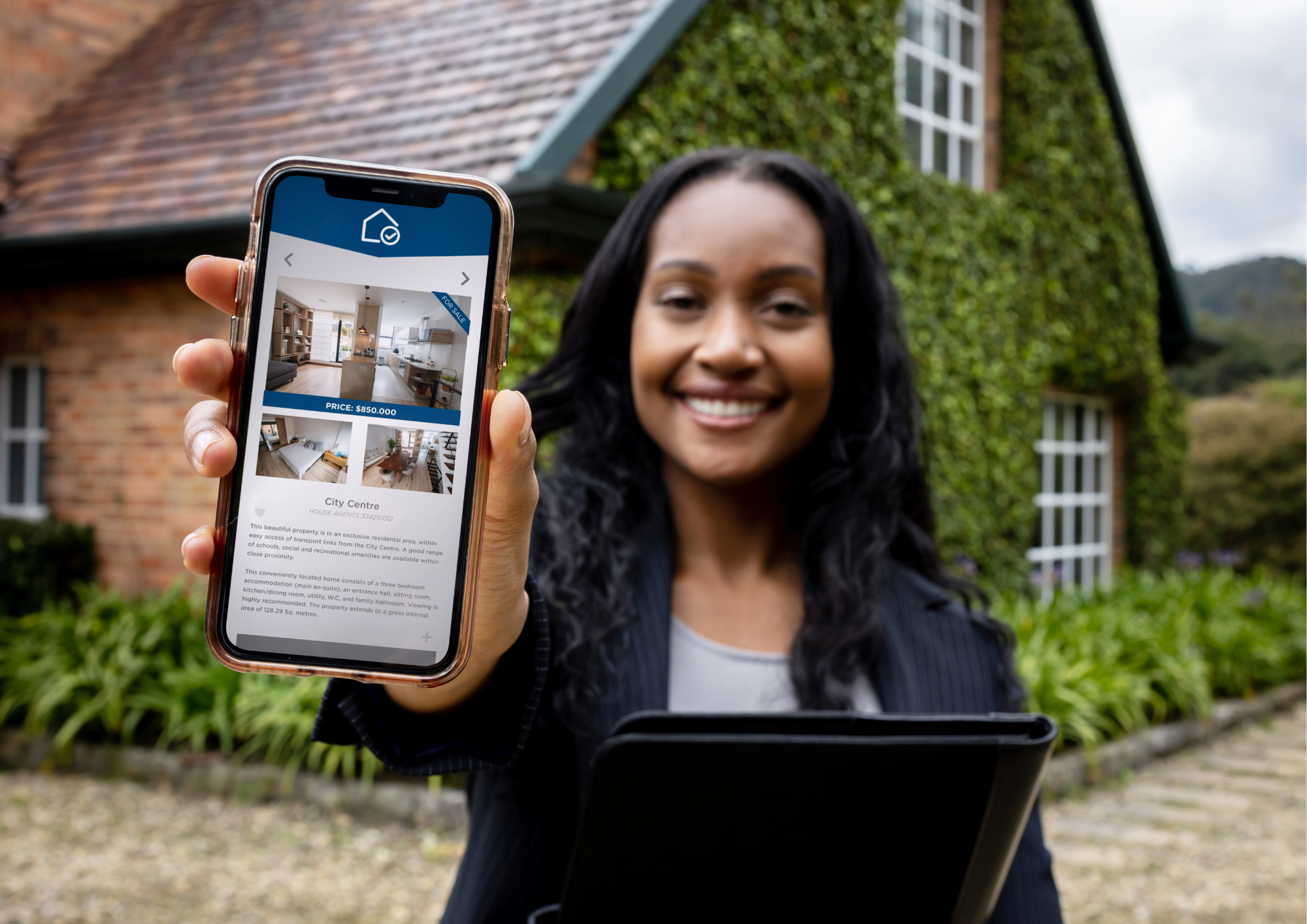
Social media means building trust and credibility online. In the fast-paced world of social platforms being authentic and consistently engaging with your audience is key to long-term relationships. Agents need to provide value beyond property listings by offering advice, insights, and personal stories that resonate with their audience. Authentic interactions, transparency in communication, and solving potential buyers’ problems build trust and establish the agent as a reliable and approachable person in the real estate space.
Content Calendar and Planning

Creating a content calendar and planning your content in advance is essential to maintaining a consistent online presence and engaging with their target audience. Here are some tips to help agents plan their content effectively:
- Identify Your Target Audience: Understand who your target audience is and create content that resonates with them. Tailored content can drive higher engagement and build stronger connections.
- Use a Content Calendar: Plan your content in advance using a content calendar. This ensures consistency and helps you stay organized. A well-planned calendar can also help you balance different types of content.
- Mix Content Types: Utilize a mix of promotional, educational, and engaging content to keep your audience interested and informed. Variety in content can cater to different audience preferences.
- Utilize Social Media Analytics: Track your performance using social media analytics. Identify what works and what doesn’t, and adjust your content strategy accordingly. Real-time insights can help you optimize your efforts.
Engagement and Community Building

Engagement and community building are crucial to establishing relationships with clients, building trust, and staying top of mind. Here are some tips to help agents engage with their audience and build a community:
Respond Promptly:
- Respond to comments and messages promptly to show that you value your audience’s feedback and concerns. Timely responses can enhance your reputation and build trust.
Utilize Social Media Groups:
- Join and participate in social media groups and online forums related to real estate. This can help you connect with clients and establish thought leadership.
Share User-Generated Content:
- Sharing client testimonials and reviews can build credibility and trust. User-generated content adds a personal touch to your social media presence.
Host Events:
- Host webinars, virtual open houses, and other events to connect with potential clients and provide value. Events can drive engagement and position you as an expert in your field.
Best Practices for Social Media Marketing
To get the most out of social media marketing, real estate professionals should follow best practices such as:
- Posting High-Quality, Engaging Content on a Regular Basis: Consistency is key. Regularly posting high-quality content keeps your audience engaged and helps maintain your visibility on social media platforms.
- Using Relevant Hashtags to Increase Visibility: Hashtags can help your content reach a broader audience. Use relevant and trending hashtags to increase the discoverability of your posts.
- Engaging with Their Audience Through Comments and Direct Messages: Interaction is crucial. Respond to comments and messages promptly to show that you value your audience’s feedback and concerns.
- Sharing User-Generated Content to Build Trust and Credibility: Sharing testimonials, reviews, and other user-generated content adds authenticity to your social media presence and builds trust with potential clients.
- Utilizing Instagram Stories and Facebook Live to Provide Behind-the-Scenes Insights: These features allow you to share real-time updates and engage with your audience in a more personal and interactive way.
- Utilizing Social Media Analytics to Track Performance and Adjust Their Strategy Accordingly: Regularly review your social media analytics to understand what works and what doesn’t. Use these insights to refine your strategy and improve your results.
By following these best practices, real estate professionals can build a strong social media presence, attract new clients, and grow their business. Consistent engagement, high-quality content, and strategic use of social media tools will help you stand out in a competitive market and establish yourself as a trusted expert in the real estate industry.
Conclusion: The Future of Social Media in Real Estate
The future of real estate marketing will involve more technology, including AR/VR tours, AI-driven chatbots, and highly advanced targeting tools. Real estate social media marketing will play a crucial role in leveraging these innovations to reach and engage potential buyers. AR and VR tours will allow buyers to walk through homes virtually from anywhere in the world, enhancing their search experience and making properties more accessible. Moreover, AI-driven chatbots will engage with customers 24/7, answering inquiries and guiding them through the initial stages of their buying journey. Constant communication is key to the real estate social media marketing plan since it keeps buyers informed and interested, which boosts conversion rates.


